Unveiling Insights: Water Lab Testing Explained
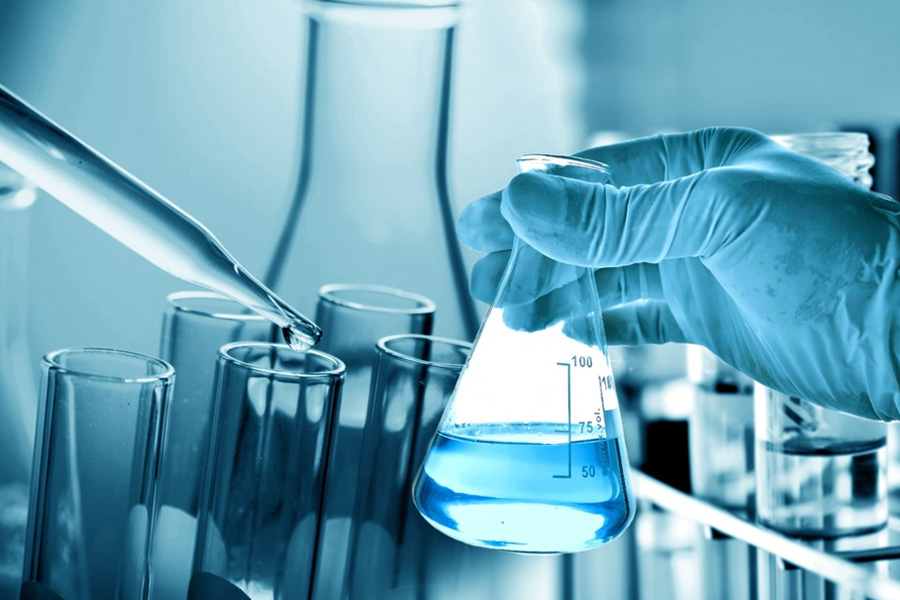
Water is an essential resource for life, influencing health, agriculture, and industry. However, its quality can be compromised by various contaminants, necessitating rigorous testing. Water lab testing is a systematic process designed to evaluate the quality of water, ensuring it meets safety standards and is free from pollutants. This article delves into the intricacies of water lab testing, illuminating its vital role in maintaining public health and environmental integrity.
The Importance of Water Lab Testing
Water lab testing is critical in identifying pollutants, understanding water composition, and ensuring compliance with health regulations. It provides:
- Assurance of water safety for consumption and usage.
- Detection of harmful substances like bacteria, heavy metals, and chemicals.
- Data supporting environmental protection and regulatory compliance.
Types of Water Tests
Different tests are employed to address various concerns. These include:
Microbiological Testing
Essential for detecting pathogens such as E. coli and coliform bacteria, microbiological testing ensures water is safe from harmful microorganisms. Discover expert strategies here.
Chemical Testing
This involves analyzing water for chemical constituents like nitrates, phosphates, and pH levels. Chemical testing helps in assessing agricultural runoff effects and industrial discharges. Learn about our tailored solutions.
Physical Testing
Physical tests evaluate properties like turbidity, color, and odor, which are indicators of water quality. These tests are crucial for aesthetic and health reasons. Explore advanced guides and tips.
Advanced Techniques in Water Testing
Technological advancements have enhanced the precision and scope of water testing. Some advanced techniques include:
- Chromatography: Separates water components for detailed analysis.
- Mass Spectrometry: Identifies and quantifies trace elements and compounds.
- Polymerase Chain Reaction (PCR): Detects genetic material from pathogens.
These methods contribute to a comprehensive understanding of water quality, supporting efforts to address contamination sources effectively. Find out more about this approach.
Interpreting Water Test Results
Understanding water test results is crucial for taking appropriate action. Key aspects include:
- Contaminant Levels: Compare against safety standards to determine safety.
- Parameter Indicators: Evaluate specific parameters like pH and hardness to assess water quality.
- Trending Data: Analyze changes over time to identify potential issues.
Conclusion
Water lab testing is indispensable in safeguarding public health and the environment. By employing a range of tests and advanced techniques, it ensures water is safe and sustainable for all applications. For further information on effective water testing methodologies and solutions, consider exploring resources and guides available from leading experts in the field. Explore advanced guides and tips.