Enhancing Efficiency with Custom Material Converting
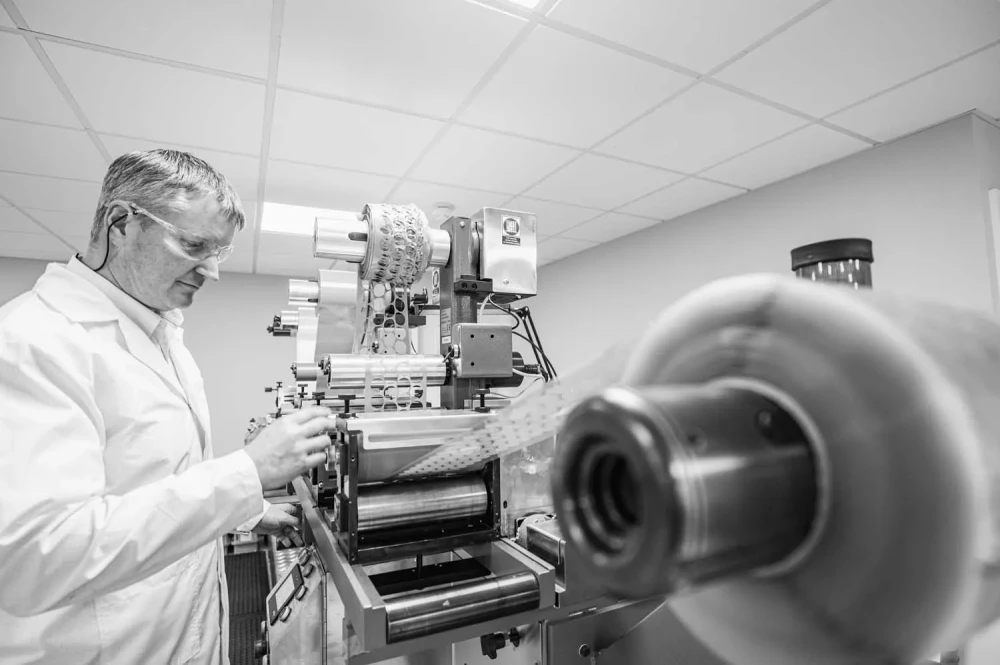
In today’s fast-paced industrial landscape, efficiency is paramount. Businesses are increasingly seeking methods to optimize their manufacturing processes to remain competitive. One such method that has proven immensely beneficial is custom material converting. This process involves the transformation of raw materials into specific formats or shapes that meet precise production requirements. Custom material converting not only enhances efficiency but also contributes to cost savings, improved product quality, and reduced waste. By leveraging advanced converting techniques, businesses can achieve a level of customization that is both innovative and practical.
Understanding Custom Material Converting
Custom material converting is a sophisticated process that involves altering materials to fit specific applications. These processes can include cutting, laminating, slitting, sheeting, and more. Each of these techniques can be tailored to meet the unique requirements of a project, providing flexibility and precision that standard converting processes may not offer.
Key Benefits of Custom Material Converting
- Improved Efficiency: By transforming materials to precise specifications, production lines can operate more smoothly and with fewer interruptions.
- Cost Reduction: Custom converting can minimize material waste, leading to significant cost savings over time.
- Enhanced Quality: Tailored converting processes ensure that materials meet exact standards, resulting in higher quality end products.
- Flexibility: Customization allows for the adaptation of materials to suit various applications, making it easier to meet specific project demands.
Applications Across Industries
Custom material converting is utilized across a broad spectrum of industries. Whether in healthcare, automotive, electronics, or packaging, the need for precise material specifications is universal. By employing advanced converting techniques, industries can ensure their materials are perfectly suited for their intended applications.
For instance, in the healthcare sector, custom converting can be used to create medical-grade tapes and adhesives that meet stringent safety standards. In the automotive industry, materials can be converted to precise shapes and sizes for use in manufacturing vehicles. Discover expert strategies here.
Innovations in Material Converting Techniques
Technological advancements have revolutionized the material converting industry. Modern methods such as laser cutting, digital printing, and automated slitting have increased the precision and efficiency of converting processes. These innovations allow for greater complexity in material designs and faster turnaround times.
Moreover, digital advancements have enabled more sustainable practices by optimizing material usage and reducing waste. Learn about our tailored solutions here.
Choosing the Right Converting Partner
Selecting a proficient converting partner is crucial for businesses looking to optimize their material usage. A reliable partner should offer:
- Expertise in a wide range of converting techniques.
- State-of-the-art technology and equipment.
- A commitment to quality and precision.
- Flexibility to meet custom requirements and deadlines.
Find out more about this approach here.
Conclusion
Custom material converting represents a strategic advantage for businesses aiming to enhance their operational efficiency and product quality. By embracing advanced converting techniques and collaborating with skilled partners, companies can achieve tailored solutions that meet their unique needs. This approach not only supports innovation but also strengthens competitive positioning in the marketplace. For more insights into optimizing material usage, explore advanced guides and tips here.