Unveiling the Craftsmanship: Discovering the Secrets of Violin Back Materials
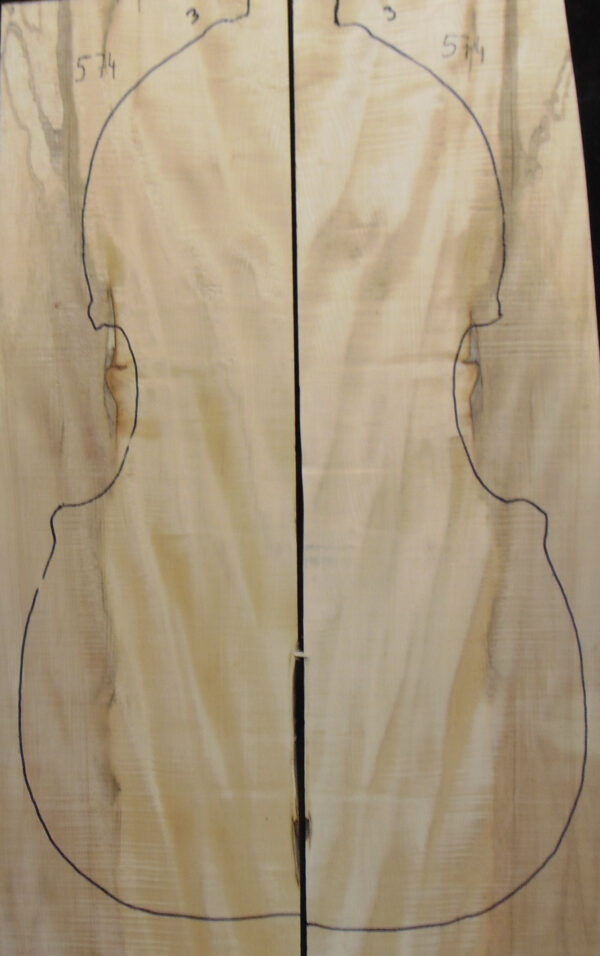
The art of violin making is an intricate ballet of craftsmanship and science, where every component contributes to the instrument’s unique voice. Among these components, the back of the violin plays a pivotal role in shaping the tonal properties and aesthetic appeal of the instrument. Understanding the materials used for the back of a violin reveals a world of tradition, precision, and innovation. This exploration of violin back materials unveils the secrets that have been perfected by luthiers over centuries, ensuring the creation of instruments that resonate with unparalleled beauty and sound.
The Role of the Violin Back
The back of a violin is more than just a structural element; it’s a significant contributor to the instrument’s acoustics. Its primary functions include:
- Resonance Enhancement: The back acts as a secondary resonator, amplifying and enriching the sound produced by the strings.
- Structural Support: It provides the necessary strength to withstand the tension of the strings and the pressure exerted by the player.
- Aesthetic Appeal: The choice of wood and the craftsmanship involved can transform the violin into a visual masterpiece.
Common Materials Used for Violin Backs
Maple
Maple is the preferred choice for most violin backs due to its superior tonal qualities and visual appeal. It is known for its ability to produce a bright, clear sound. The grains and patterns, such as the flamed maple tonewood or curly maple tonewood, add to the aesthetic value.
Alternative Woods
While maple remains dominant, several other woods are also utilized, each offering unique characteristics:
- Poplar tonewood: Known for its softer tone, often used in historical reproductions.
- European maple tonewood: Distinguished by its density and beautiful grain, commonly used in high-quality instruments.
- Violin maple: Offers a balance between strength and resonance, suitable for various playing styles.
Impact on Sound and Performance
The choice of wood for the back of a violin significantly influences the instrument’s sound and performance. Key factors include:
- Density and Grain: Denser woods generally produce a more focused sound, while the grain pattern affects the instrument’s tonal richness.
- Age and Treatment: Well-aged wood, such as the antique violin back, is prized for its stability and enhanced acoustic properties.
- Craftsmanship: The skill and precision involved in shaping and finishing the back contribute to the overall sound quality and playability.
The Violin in Context
While this article focuses on the violin back, it is important to recognize its role within the larger context of the violin’s construction. A harmonious blend of components is vital for optimal performance:
- Spruce top: Complements the back by providing a responsive surface for the sound to resonate.
- Violin spruce wood: Often used for the top, selected for its lightweight and resonant properties.
- Back violin: The unified design of the back and top, crafted from violin tonewood, ensures a balanced sound.
Conclusion
The artistry behind violin construction is a testament to the enduring legacy of master luthiers. By meticulously selecting and crafting the right violin wood material, especially for the back, these artisans shape instruments that are not only beautiful but also capable of producing exceptional sound. Whether it is a violin back plate made from European spruce or a cello wood crafted with precision, the legacy of violin making continues to resonate through the ages.