The Ultimate Guide to Choosing Lift Fixtures
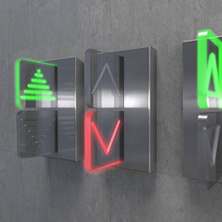
Choosing the right lift fixtures is crucial for ensuring both the functionality and aesthetic appeal of elevators in modern buildings. As urban landscapes evolve, the demand for innovative and efficient elevator solutions rises. Lift fixtures, which include buttons, panels, and indicator systems, not only play a role in the operational effectiveness of elevators but also contribute significantly to user experience and safety. This guide aims to provide comprehensive insights into selecting the most suitable lift fixtures for various types of buildings, balancing both technical requirements and design preferences.
Understanding Different Types of Lift Fixtures
Lift fixtures come in various forms, each serving distinct purposes and catering to different aesthetic and functional needs. It is important to understand the different types of fixtures available to make informed decisions.
- Car Operating Panels (COP): These panels are located inside the lift car and contain the floor selection buttons, emergency buttons, and other controls.
- Hall Call Stations: Positioned on each floor, these fixtures allow users to call the elevator to their location.
- Indicator Panels: These panels provide visual cues about the elevator’s current position and direction.
- Button Fixtures: Buttons used in both car operating panels and hall call stations that can vary in design and functionality.
Key Considerations in Choosing Lift Fixtures
Durability and Material Quality
One of the primary factors to consider is the material quality and durability of the lift fixtures. High traffic environments, such as commercial buildings or hotels, require fixtures made from robust materials like stainless steel or high-grade plastics to withstand constant use and potential vandalism.
Design and Aesthetics
The design of lift fixtures should align with the overall interior design of the building. Modern buildings often opt for sleek, minimalist designs with touch-sensitive panels, while heritage buildings might prefer classic designs with traditional buttons and finishes.
Compliance with Safety Standards
Compliance with safety standards and regulations is non-negotiable. Ensure that all fixtures meet the relevant local and international safety standards, including accessibility standards for individuals with disabilities. Features such as braille on buttons and audible signals are essential for inclusive design.
Technological Integration
With the advancement of technology, integrating smart solutions into elevator systems is becoming increasingly popular. Consider fixtures that support modern technologies such as touchless controls, digital displays, and connectivity with building management systems for enhanced functionality.
Customizing Lift Fixtures for Unique Needs
Customization is a key element in the selection process, allowing for the creation of unique elevator experiences that cater to specific building needs or brand identities. Custom fixtures can incorporate company logos, colors, or even unique interface designs.
- Brand Alignment: Customizing fixtures to reflect a brand”?s identity can enhance customer experience and brand recall.
- User Experience: Personalized interfaces can improve usability and satisfaction among frequent users.
Conclusion
Choosing the right lift fixtures is an integral part of elevator planning and design that requires careful consideration of various factors, including durability, aesthetic appeal, compliance, and technological integration. By understanding the options available and aligning them with building needs and user expectations, one can significantly enhance the functionality and appeal of elevator systems.