Ensuring a Positive Work Environment for Casual Childcare Staff
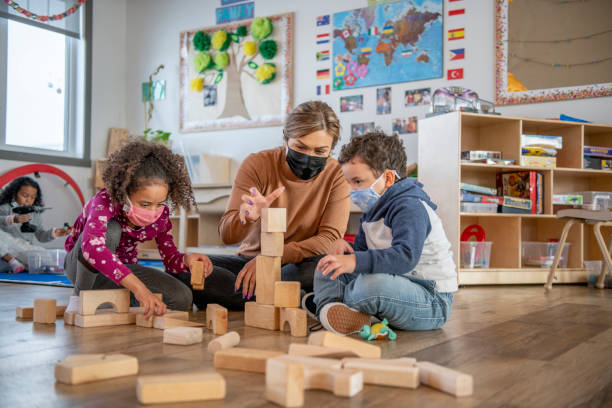
Creating a positive work environment for staff, especially those employed on a casual basis in childcare settings, is essential for fostering both professional growth and personal satisfaction. Casual childcare staff play a pivotal role in the foundation of early childhood education by providing flexibility and support to permanent staff. Ensuring their workplace experience is positive not only enhances their performance but also significantly benefits the children and the overall childcare community.
Understanding the Unique Needs of Casual Childcare Staff
Casual childcare staff often face unique challenges that differ from those of permanent employees. Recognizing and addressing these needs is the first step in fostering a supportive work environment.
- Flexibility: Casual staff often juggle multiple commitments, making flexible scheduling crucial.
- Consistent Communication: Regular updates and clear communication help casual staff stay informed and engaged.
- Professional Development: Offering training opportunities can enhance skills and job satisfaction.
Building a Sense of Belonging
Inclusivity and belonging are critical to maintaining morale and motivation among casual childcare staff. Strategies to build a sense of belonging include:
- Team Integration: Encourage casual staff to participate in team meetings and social events.
- Recognition and Appreciation: Acknowledge the contributions of casual staff regularly to boost morale.
- Mentorship Programs: Pairing casual staff with experienced mentors can enhance their sense of connection and professional growth.
Creating a Supportive Work Environment
A supportive work environment is essential for the well-being and productivity of casual childcare staff. This involves understanding their day-to-day challenges and providing the necessary resources to overcome them.
- Access to Resources: Ensure casual staff have the materials and resources needed to perform their duties effectively.
- Feedback Mechanisms: Establish channels for casual staff to provide feedback and express concerns.
- Stress Management: Implement programs and practices that help staff manage stress, such as wellness activities or mental health support.
Effective Communication Practices
Communication is a cornerstone of a positive work environment. Implementing effective communication practices ensures transparency and fosters trust.
- Regular Check-Ins: Schedule regular check-ins to discuss job satisfaction and address any issues.
- Open-Door Policy: Encourage an open-door policy where casual staff can speak freely with management.
- Clear Expectations: Clearly outline job roles and expectations to avoid misunderstandings.
Encouraging Career Progression
Opportunities for career advancement can greatly enhance job satisfaction for casual childcare staff. Providing platforms for growth not only benefits the employees but also the childcare facility as a whole.
- Training Programs: Offer training programs that enhance skills relevant to early childhood education.
- Pathways to Permanent Positions: Provide clear pathways for casual staff to transition into permanent roles, if desired.
- Performance Reviews: Conduct regular performance reviews to identify strengths and areas for improvement.
By implementing these strategies, childcare centres can ensure a positive work environment for their casual staff, thereby increasing retention and enhancing the quality of care provided. These efforts not only support the staff but also contribute to a thriving childcare community that benefits children, parents, and the broader community.