Exploring Luxury Upper East Real Estate Opportunities
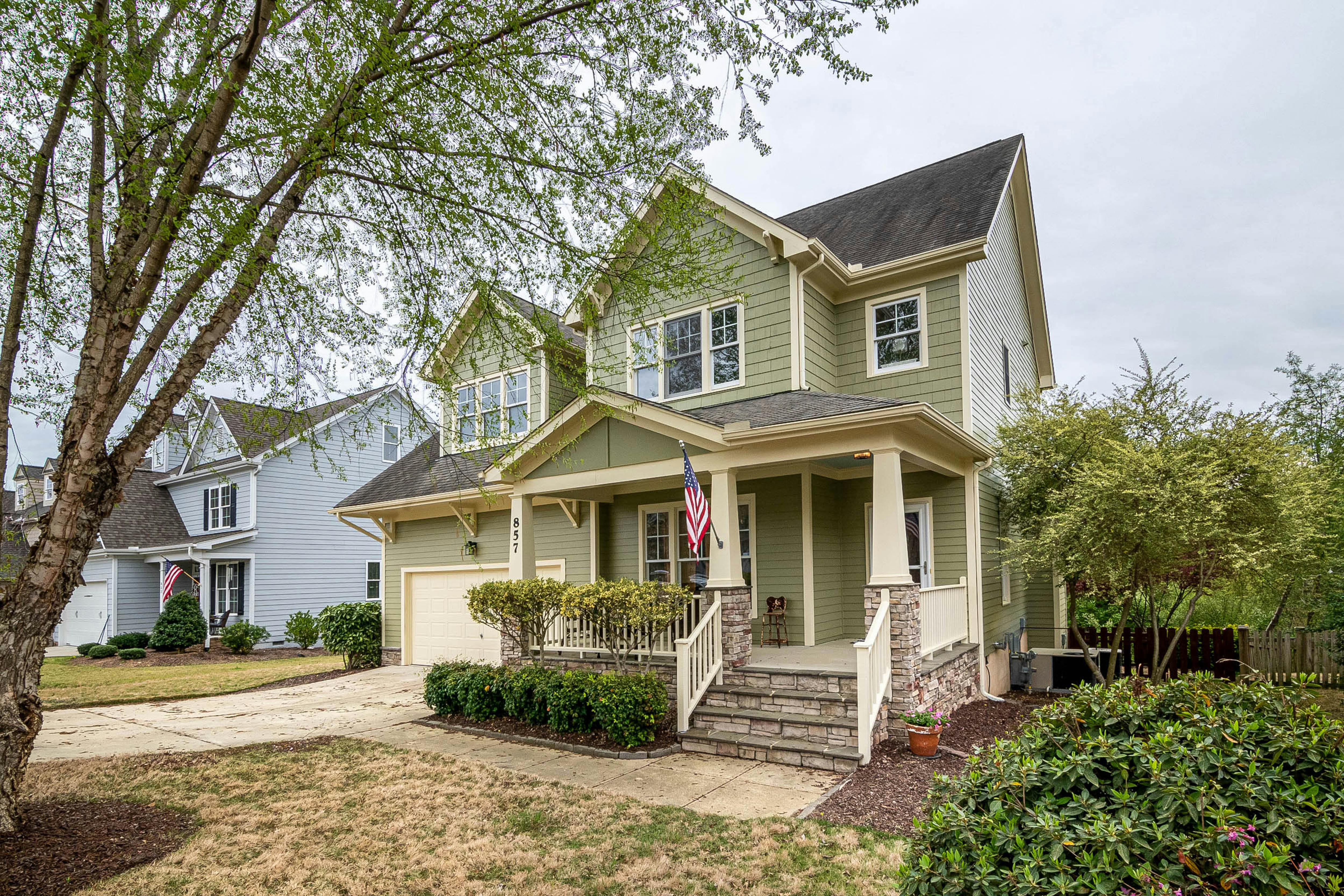
The Upper East Side has long been synonymous with timeless elegance, architectural distinction, and a lifestyle that blends cultural richness with modern convenience. For discerning buyers and investors, the neighborhood presents a unique combination of historic mansions, contemporary high-rises, and meticulously curated townhouses, all set against tree-lined streets, world-class museums, and premier dining. Navigating this market requires an understanding of both the subtle nuances of each block and the broader trends shaping luxury real estate in Manhattan. This guide explores the most compelling opportunities, key considerations, and emerging patterns that define the Upper East Side’s high-end property landscape.
Why Upper East Side Luxury Remains a Strong Investment
The durability of the Upper East Side’s appeal stems from several interrelated factors that collectively reinforce its status as a premier real-estate market:
- Historical Prestige: Many properties are situated in landmark buildings or historic districts, offering a sense of permanence that appeals to affluent buyers.
- Institutional Anchors: Proximity to cultural institutions such as the Metropolitan Museum of Art, the Guggenheim, and elite schools creates a stable demand pipeline.
- Limited Supply: Strict zoning regulations and the scarcity of developable parcels keep inventory tight, supporting price resilience.
- Transportation Connectivity: Easy access to multiple subway lines (4/5/6, Q, and the future Second Avenue line) ensures connectivity without sacrificing neighborhood tranquility.
Key Neighborhood Sub-Markets
Yorkville – Modern Luxury Meets Riverfront Views
Yorkville, stretching from 79th to 96th Street along the East River, has undergone a transformation driven by new high-rise developments and riverfront amenities. Buyers seeking contemporary design, floor-to-ceiling windows, and private amenity decks find this sub-market especially attractive.
- New construction towers with upper east real estate that feature concierge services, state-of-the-art fitness centers, and pet-friendly policies.
- Riverwalk access and waterfront dining options that add lifestyle value beyond the unit itself.
- Strong rental yields driven by professionals who value both convenience and a vibrant community.
Lenox Hill – Classic Elegance and Institutional Proximity
Located between 59th and 78th Streets, Lenox Hill is renowned for its pre-war co-ops, luxury condominiums, and proximity to top medical facilities such as NYU Langone. The area appeals to families and investors looking for stable, long-term occupancy.
- Pre-war buildings with high ceilings, original moldings, and meticulously restored interiors.
- Walkable distance to elite private schools and cultural venues, enhancing resale potential.
- Consistently low vacancy rates, reflecting sustained demand from both domestic and international buyers.
Carnegie Hill – Boutique Townhouses and Exclusive Privacy
Carnegie Hill, roughly bounded by 86th to 96th Streets and Lexington to Fifth Avenue, offers a quieter, more private experience. The market here is dominated by full-floor townhouses and expansive loft conversions.
- Properties often feature private gardens, multiple levels, and historic architectural details.
- Limited turnover creates a competitive environment for qualified buyers.
- High appreciation rates historically outpace broader Manhattan trends, reflecting the area’s scarcity.
Emerging Trends Shaping Luxury Purchases
While the Upper East Side’s core attributes remain unchanged, several trends are influencing buyer behavior and investment strategies:
- Hybrid Living: The rise of flexible work arrangements fuels demand for homes with dedicated office space and enhanced soundproofing.
- Sustainability Features: Green roofs, energy-efficient appliances, and LEED-certified buildings are increasingly expected in new luxury projects.
- Tech-Enabled Amenities: Smart-home integrations, such as automated lighting, climate control, and security systems, are becoming standard in high-end units.
- International Capital Flow: Buyers from Asia, the Middle East, and Europe continue to view the Upper East Side as a safe-haven asset, especially amid global economic uncertainty.
Considerations for Prospective Buyers
Entering the Upper East Side luxury market requires a strategic approach. Below are essential factors to evaluate before committing to a purchase:
- Co-op vs. Condo: Co-ops often have stricter board approvals and financing requirements, while condos provide greater flexibility for rentals and resale.
- Financial Structure: Assess the impact of maintenance fees, property taxes, and potential assessments on overall cash flow.
- Future Development: Review zoning maps and upcoming projects that could affect view corridors, traffic patterns, or neighborhood character.
- Resale Potential: Prioritize properties with unique features, such as original architectural elements or exceptional location, that sustain long-term value.
Conclusion: Positioning for Success in Upper East Luxury
The Upper East Side continues to embody a rare blend of heritage, convenience, and exclusivity that makes it a cornerstone of Manhattan’s luxury real-estate portfolio. By focusing on sub-markets that align with specific lifestyle goals, whether it’s the riverfront modernity of Yorkville, the institutional gravitas of Lenox Hill, or the private elegance of Carnegie Hill, buyers can secure assets that not only meet immediate living standards but also offer robust long-term appreciation. Staying attuned to evolving trends such as hybrid living demands, sustainability, and technology integration will further enhance the ability to identify properties that deliver both personal satisfaction and solid investment performance.