The Complete Guide to Buying a Home in Probate
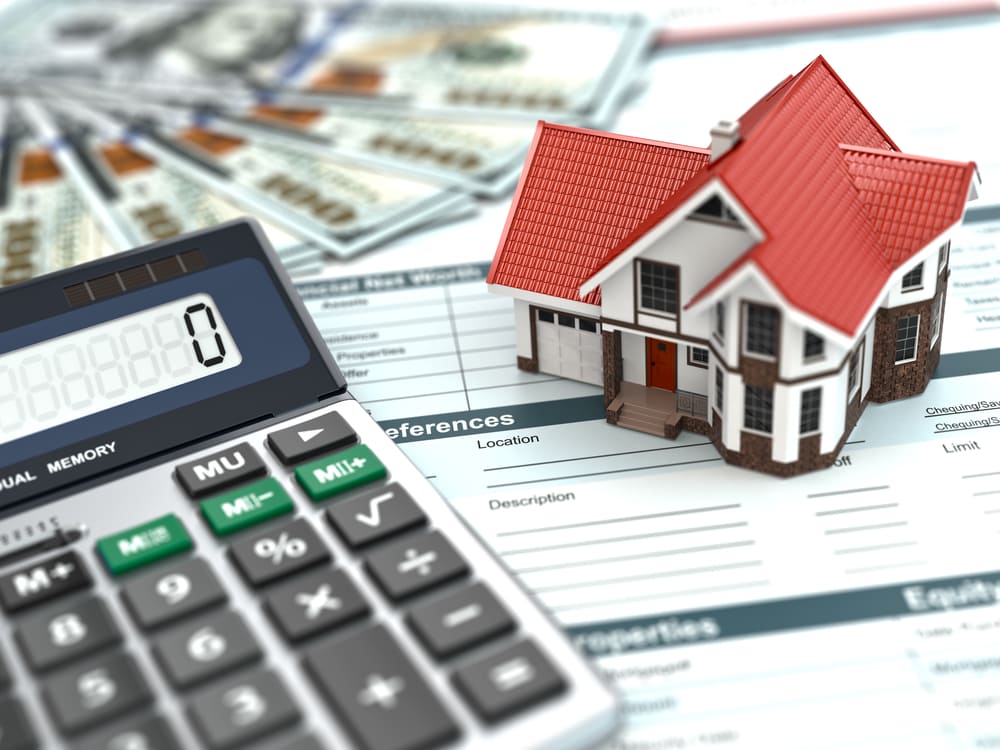
Buying a home in probate can be a unique and potentially rewarding experience. It involves purchasing a property from an estate where the original owner has passed away, and the sale is overseen by the court. This process can present an opportunity for acquiring a property at a reduced price, but it also comes with its own set of complexities and legalities that need to be carefully navigated. For those interested in exploring this avenue, understanding the nuances of probate real estate transactions is essential.
Understanding Probate Properties
Probate properties are part of the estate left behind by deceased individuals. When these individuals die without a will, or with a will that requires legal validation, the estate enters probate. During this process, the court ensures all debts and taxes are paid before distributing the remaining assets to the heirs. Often, selling real estate is necessary to settle debts, making these properties available for purchase.
Why Consider Buying a Home in Probate?
- Potentially lower purchase prices due to the need for a quick sale.
- Less competition as many buyers avoid the complexities involved.
- Opportunity to invest in properties with high value appreciation potential.
For those willing to navigate the legal intricacies, buying a home in probate can be a profitable venture.
The Process of Buying a Probate Property
Research and Identify Probate Properties
Start by identifying probate properties in your area. Public records and legal notices often list these properties as part of the probate process. Real estate agents specializing in probate sales can also be invaluable assets in locating potential purchases.
Understanding the Legal Framework
Buying a probate property requires a firm understanding of the legal framework. This includes:
- Comprehending the specific probate laws in the state where the property is located.
- Understanding the rights of any potential heirs and their involvement in the sale.
- Familiarizing oneself with the timelines for court approval of the sale.
It”?s advisable to consult with a probate attorney to ensure all legal bases are covered.
Submitting an Offer
Once a suitable property is identified, the next step is to submit an offer. Offers on probate properties often require court approval, which can extend the timeline of the purchase. It’s crucial to:
- Be prepared for a potentially lengthy approval process.
- Submit a competitive offer that reflects the property’s market value.
- Include necessary contingencies to protect against unforeseen delays or issues.
Securing Financing
Financing a probate property can be slightly more complex than traditional home purchases. Lenders may be cautious given the uncertainties involved, so:
- Ensure pre-approval for a mortgage to strengthen your offer.
- Consider alternative financing options if conventional loans are not feasible.
Working with a lender experienced in probate sales can simplify the financing process.
Closing the Deal
Once the court approves the sale, the closing process resembles that of a traditional home purchase. However, it”?s important to:
- Conduct a thorough property inspection to identify any hidden issues.
- Finalize all necessary legal documentation required for transfer of ownership.
- Be prepared for any last-minute hurdles or legal requirements mandated by the court.
Closing on a probate property can take longer due to the requirement for court confirmation, but patience and due diligence can lead to significant rewards.
Final Thoughts
Buying a home in probate requires a blend of patience, legal knowledge, and strategic planning. While it may not suit every buyer due to its complexities, for those who are prepared to navigate this intricate process, the potential benefits can be substantial. By understanding the probate system, working with knowledgeable professionals, and carefully approaching each step, buyers can successfully acquire valuable real estate at competitive prices.