The Ultimate Guide to Choosing Quality Supplements in the UK
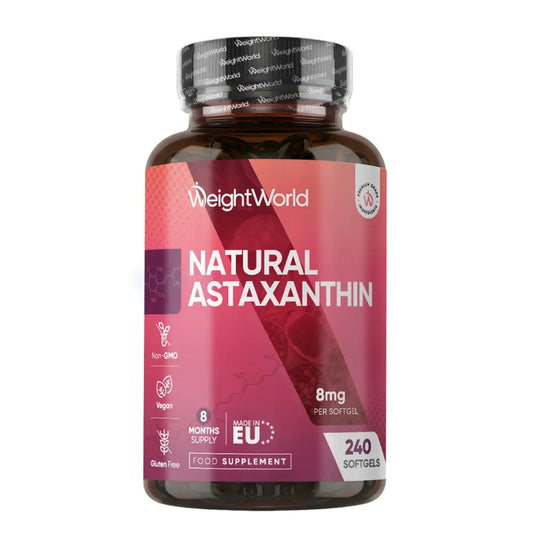
Choosing the right supplement can feel like navigating a maze of scientific jargon, marketing hype, and regulatory nuances. In the United Kingdom, the market is both expansive and tightly regulated, offering a wealth of options for those who understand how to assess quality, safety, and efficacy. This guide distils the most important considerations into clear, actionable steps, helping consumers make informed decisions without being swayed by empty promises.
Understanding UK Supplement Regulations
The UK follows strict standards set by the Food Standards Agency (FSA) and the Medicines and Healthcare products Regulatory Agency (MHRA). These bodies ensure that products marketed as supplements meet safety thresholds, contain accurate labeling, and avoid unauthorized health claims. When a product complies with these regulations, it signals a baseline level of quality that can be trusted.
Key regulatory checkpoints
- Ingredient verification – only substances approved for food use may appear on the label.
- Label accuracy – dosage, recommended intake, and any allergen warnings must be clearly stated.
- Manufacturing standards – Good Manufacturing Practice (GMP) certification demonstrates consistent production quality.
For a deeper dive into the regulatory landscape, Discover expert strategies here.
Evaluating Ingredient Quality
Ingredient sourcing is a critical determinant of supplement potency. High-grade raw materials are often derived from reputable farms or laboratories that provide third-party testing results. Look for references to organic certification, non-GMO status, and transparent supply chains.
What to look for on the label
- Exact compound names (e.g., “beta-carotene” rather than “carotenoids”).
- Standardized extracts with a specified percentage of active constituents.
- Absence of unnecessary fillers, artificial colours, or excessive binders.
When searching for reputable brands, Learn about our tailored solutions. offers a curated selection that highlights transparent sourcing.
Assessing Third-Party Testing and Certification
Independent testing provides an unbiased verification of label claims. Reputable laboratories will analyse for potency, contaminants (such as heavy metals, pesticides, and microbes), and overall purity. Certifications from bodies like NSF International, Informed-Sport, or the UK’s Soil Association add an extra layer of credibility.
How to verify test results
- Check for a QR code or batch number that links to a downloadable Certificate of Analysis (CoA).
- Confirm that the testing laboratory is accredited and that the report is recent (within the last 12 months).
- Look for statements indicating compliance with EU/UK food safety standards.
For examples of products backed by thorough testing, Explore advanced guides and tips.
Matching Supplements to Personal Needs
Not every supplement is suitable for every individual. Age, gender, activity level, dietary restrictions, and existing health conditions all influence the optimal formulation. A personalized approach, often guided by a qualified nutritionist or healthcare professional, helps avoid unnecessary or potentially harmful supplementation.
Common categories and their typical use-cases
- Vitamins & Minerals – Essential for filling dietary gaps, especially in vegetarian or elderly populations.
- Protein Powders – Beneficial for athletes, bodybuilders, or anyone seeking convenient protein intake.
- Omega-3 Fatty Acids – Support cardiovascular health and cognitive function; especially valuable for those with low fish consumption.
- Adaptogens & Botanicals – Used to manage stress, improve sleep, or enhance recovery, but require careful dosage monitoring.
A reliable retailer often provides detailed product pages that help align supplement choice with individual goals. To see how this is implemented, Find out more about this approach.
Practical Tips for Safe Purchasing
Even with thorough research, the final step, buying the product, carries its own set of considerations. Online platforms differ in transparency, return policies, and customer support. Choosing a vendor that offers clear communication, secure payment options, and responsive after-sales service reduces the risk of counterfeit or sub-standard items.
Checklist before you click “Add to Cart”
- Verify the website’s SSL certificate (look for “https” in the URL).
- Read recent customer reviews focusing on product efficacy and packaging integrity.
- Confirm that the seller provides a clear refund or exchange policy.
- Check for bulk-buy discounts that do not compromise product freshness (expiry dates should be well beyond the intended usage period).
A platform that consistently adheres to these standards can be explored further at Discover expert strategies here.
Conclusion
Selecting high-quality supplements in the UK involves a blend of regulatory awareness, ingredient scrutiny, independent testing verification, and personal relevance. By applying the criteria outlined in this guide, regulatory compliance, transparent sourcing, third-party certification, tailored suitability, and safe purchasing practices, consumers can confidently navigate the market and support their health goals with products that truly deliver. Continuous education and periodic reassessment of supplement needs ensure that the chosen regimen remains both effective and safe over time.