NMNH Powder vs. Capsules: Which Form Delivers the Best Results?
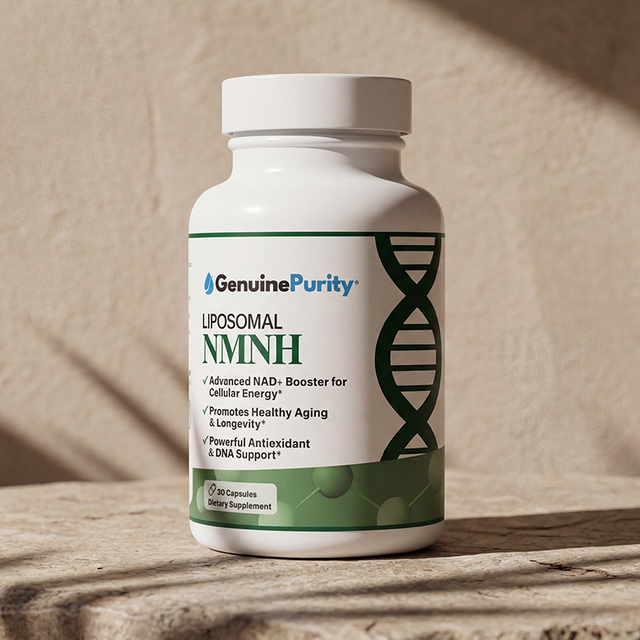
Nicotinamide mononucleotide (NMNH) has emerged as a powerful precursor to NAD+, a co-enzyme essential for cellular energy production, DNA repair, and metabolic regulation. As interest in NMNH grows, consumers are faced with a fundamental choice: should the supplement be taken in powder form or as convenient capsules? Both delivery methods claim superior absorption and efficacy, yet the nuances of bioavailability, dosing flexibility, and lifestyle compatibility can influence outcomes. This article dissects the key differences between NMNH powder and capsules, helping readers determine which format aligns best with their health goals and daily routines.
Understanding NMNH: Why the Form Matters
NMNH is a reduced version of nicotinamide mononucleotide, designed to enhance stability and increase the speed at which the body converts it to NAD+. The molecular structure remains the same, but the delivery vehicle can affect:
- Absorption rate: Powder may dissolve more rapidly in the gastrointestinal tract, potentially leading to quicker NAD+ synthesis.
- Dosage precision: Capsules provide pre-measured servings, reducing the risk of under- or over-dosing.
- Convenience: Capsules are portable and discreet, while powder requires mixing with a liquid.
NMNH Powder: Advantages and Considerations
Pros
- Rapid absorption: When mixed with water or a favorite beverage, the fine particles disperse evenly, allowing the intestinal lining to access the compound quickly.
- Customizable dosing: Users can adjust the amount per serving, which is useful for those experimenting with different protocols.
- Cost efficiency: Bulk powder often offers a lower price per milligram compared with encapsulated versions.
Cons
- Preparation required: Mixing can be inconvenient for travelers or those with busy schedules.
- Potential for measurement error: Inaccurate scoops may lead to inconsistent intake.
- Stability concerns: Exposure to moisture or heat can degrade the powder if not stored properly.
For readers seeking a flexible regimen and willing to invest a few minutes each day, powder may represent the optimal choice. Detailed guidance on proper mixing techniques can be found by Discover expert strategies here.
NMNH Capsules: Advantages and Considerations
Pros
- Ease of use: No preparation, simply swallow with water, making it ideal for on-the-go lifestyles.
- Consistent dosing: Each capsule contains a fixed amount, eliminating guesswork.
- Enhanced protection: The encapsulation matrix shields NMNH from moisture and light, extending shelf life.
Cons
- Slower dissolution: The capsule shell must break down before the powder can be absorbed, which may delay peak NAD+ levels.
- Limited flexibility: Adjusting the dose requires taking multiple capsules, which can be cumbersome.
- Potential additives: Some formulations include fillers or binders that could affect sensitive individuals.
Individuals who prioritize simplicity and travel-friendliness often gravitate toward capsules. For a deeper dive into capsule technology and its impact on bioavailability, Learn about our tailored solutions.
Key Factors to Evaluate When Choosing
- Personal routine: Does the daily schedule allow time for mixing a drink, or is a quick swallow preferable?
- Dosage goals: Are you following a precise protocol that requires fine-tuned adjustments?
- Budget considerations: Compare cost per dose between powder and capsules, factoring in any additional accessories (e.g., measuring scoops).
- Storage environment: Evaluate humidity and temperature conditions where the supplement will be kept.
Scientific Insights on Bioavailability
Recent studies suggest that the reduced form NMNH may bypass some of the enzymatic steps required by NMN, leading to faster NAD+ replenishment. However, the delivery matrix still plays a role:
- Liquid-based administration (as with powder mixed in water) can increase surface area, potentially enhancing absorption.
- Enteric-coated capsules are being developed to protect NMNH through the stomach and release it in the intestine, aiming to combine convenience with improved uptake.
For readers interested in the latest research and practical applications, Explore advanced guides and tips offers a curated collection of studies and expert commentary.
Practical Recommendations
- Start with a baseline assessment: Determine current NAD+ levels (if possible) and set clear objectives, whether it’s energy enhancement, cognitive support, or longevity.
- Trial both formats: Use a short-term protocol (e.g., two weeks each) to gauge subjective effects and any gastrointestinal responses.
- Track consistency: Maintain a simple log of dosage, timing, and perceived outcomes to identify which form delivers the most reliable results.
- Adjust based on lifestyle: If travel frequency increases, transitioning to capsules may preserve adherence without sacrificing efficacy.
Conclusion: Which Form Delivers the Best Results?
The answer ultimately hinges on individual preferences and goals. NMNH powder excels in rapid absorption and dosing flexibility, making it a strong candidate for those who enjoy a hands-on approach and seek cost efficiency. Capsules, on the other hand, provide unparalleled convenience, consistent dosing, and protection against environmental factors, which can be decisive for busy professionals or frequent travelers. By evaluating personal routines, dosage requirements, and budget, users can select the format that aligns with their health strategy.
For a comprehensive product overview, ingredient sourcing, and third-party testing information, Find out more about this approach. Choosing the right NMNH delivery method empowers individuals to harness the full potential of NAD+ regeneration and support long-term vitality.