Discovering Quality with Our Water Analysis Lab
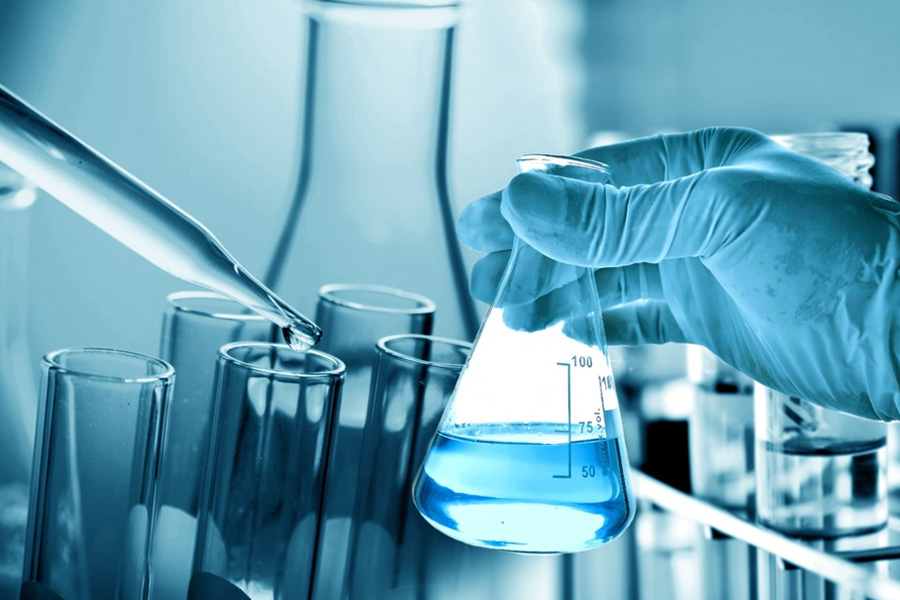
Water quality is an essential aspect of environmental health, public safety, and industrial processes. With increasing concerns about contaminants and pollutants, the need for accurate and dependable water analysis has never been more critical. Laboratories specializing in water analysis provide crucial insights that aid in maintaining safe water standards and ensuring compliance with regulatory requirements. Their expertise is pivotal for assessing water quality and implementing effective treatment solutions.
The Importance of Water Analysis
Water analysis serves as the linchpin for understanding the chemical, physical, and biological characteristics of water. This analysis is crucial for:
- Ensuring Public Health: By identifying harmful pathogens and chemicals, water analysis helps prevent waterborne diseases.
- Environmental Protection: Monitoring water bodies to protect ecosystems from pollutants.
- Regulatory Compliance: Assisting industries in adhering to environmental regulations and standards.
- Quality Control: Ensuring the quality of water used in manufacturing and food production.
For more on how water analysis impacts these areas, explore advanced guides and tips here.
Techniques and Methods in Water Analysis
Modern laboratories employ a range of techniques to deliver precise and accurate results. These techniques include:
- Chromatography: Used for separating and identifying chemical compounds.
- Spectroscopy: Essential for detecting metal ions and other elements.
- Microbiological Testing: Pinpoints bacteria, viruses, and other pathogens.
- Titration: Determines the concentration of dissolved substances.
Discover expert strategies for utilizing these techniques effectively here.
Applications in Various Industries
Water analysis plays a significant role across multiple sectors:
1. Environmental Monitoring
Accurate water analysis is vital for tracking pollution levels in rivers, lakes, and oceans. This data helps environmental agencies implement corrective measures and maintain biodiversity.
2. Food and Beverage Industry
Quality control in the food and beverage industry relies heavily on water analysis, ensuring that products meet safety standards and are free from contaminants.
Learn about our tailored solutions for the food industry here.
3. Pharmaceuticals
The pharmaceutical industry requires ultrapure water for manufacturing processes, making water analysis indispensable for ensuring product efficacy and safety.
4. Municipal Water Treatment
Municipalities depend on water analysis to provide safe drinking water to the public by continuously monitoring and adjusting treatment processes.
Emerging Challenges and Innovations
As new contaminants emerge and regulations become more stringent, laboratories must adapt to address these challenges. Innovations in water analysis, such as real-time monitoring and automated systems, are revolutionizing the field.
Find out more about this approach and the latest advancements in water analysis here.
Conclusion
The meticulous work of water analysis laboratories is essential for safeguarding public health, preserving the environment, and supporting industrial operations. By staying at the forefront of technological advancements and regulatory changes, these labs ensure that water quality remains uncompromised. Understanding the importance and applications of water analysis can guide stakeholders in making informed decisions and implementing effective solutions across various domains. To gain deeper insights into water analysis and its applications, explore further resources and strategies here.