Efficient CO2 Capture Solutions for Industrial Operations
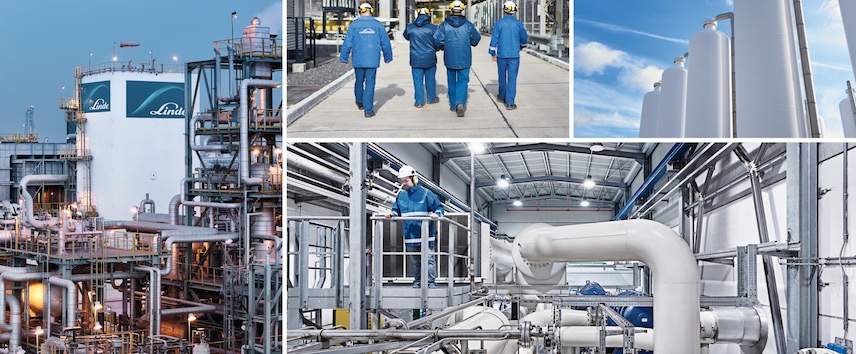
The escalating concern over climate change and environmental sustainability has prompted industries worldwide to seek efficient CO2 capture solutions. Industrial operations are significant contributors to CO2 emissions, and the adoption of advanced capture technologies is imperative to mitigate environmental impacts. This article delves into state-of-the-art CO2 capture techniques and highlights their importance in industrial applications.
Understanding CO2 Capture Technologies
CO2 capture is an essential process for reducing greenhouse gas emissions. Various technologies have been developed to effectively capture CO2 from industrial emissions. These technologies can be broadly categorized into three types:
- Pre-combustion capture: Involves removing CO2 before the combustion process. This method is typically used in industries that utilize gasification processes.
- Post-combustion capture: Captures CO2 after the combustion process. This method is suitable for existing plants and is implemented by using solvents or sorbents.
- Oxy-fuel combustion: Involves burning fuel in pure oxygen to produce a flue gas that is mainly water vapor and CO2, making it easier to separate CO2.
Key Benefits of CO2 Capture
Implementing CO2 capture technologies in industrial operations presents numerous advantages:
- Reduction in overall greenhouse gas emissions.
- Compliance with regulatory requirements on emissions.
- Potential for CO2 utilization in enhanced oil recovery and other industrial applications.
- Improvement in corporate sustainability and public image.
For more information on the benefits and applications of CO2 capture technologies, explore further insights here.
Innovative Solutions for Industrial Operations
Recent advancements have led to more efficient and cost-effective CO2 capture solutions. Innovations include:
- Advanced solvents and sorbents: These materials have improved absorption rates and lower energy requirements for regeneration, enhancing the efficiency of post-combustion capture.
- Membrane technology: Utilizes selective membranes to separate CO2 from other gases, offering a less energy-intensive option compared to traditional methods.
- Cryogenic separation: Involves cooling the gas stream to separate CO2 as a liquid, which is particularly effective for high-purity CO2 streams.
To delve deeper into these innovative solutions, find additional information here.
Challenges and Considerations
While CO2 capture technologies offer significant environmental benefits, industries face several challenges:
- Cost: High initial investment and operational costs can be prohibitive for some industries.
- Energy consumption: Some CO2 capture processes require substantial energy, impacting overall efficiency.
- Infrastructure: Retrofitting existing plants with capture technology can be complex and costly.
Despite these challenges, ongoing research and development are paving the way for more affordable and efficient solutions. Learn more in this detailed guide about overcoming these challenges.
The Future of CO2 Capture
The future of CO2 capture in industrial operations looks promising, with continuous improvements in technology and increasing regulatory pressures driving adoption. Collaborative efforts among researchers, industries, and policymakers are crucial to advance these technologies and achieve global sustainability goals. To stay updated on the latest developments, read more about this topic.