Essential Fire Protection Services for Building Certification
Essential Fire Protection Services for Building Certification
Building certification is a critical process that ensures structures are safe, compliant, and ready for occupancy. One of the pivotal aspects of this process is the implementation of fire protection services. These services not only safeguard the building and its occupants but also ensure adherence to local and national fire safety regulations. This article explores the essential fire protection services required for obtaining building certification.
Understanding Fire Protection Services
Fire protection services encompass a range of systems and measures designed to prevent, detect, and respond to fire emergencies. These services are a vital component of building safety and are typically mandated by building codes and standards.
Key Components of Fire Protection Services
- Fire Detection Systems: These include smoke detectors, heat detectors, and flame detectors that provide early warning of fire.
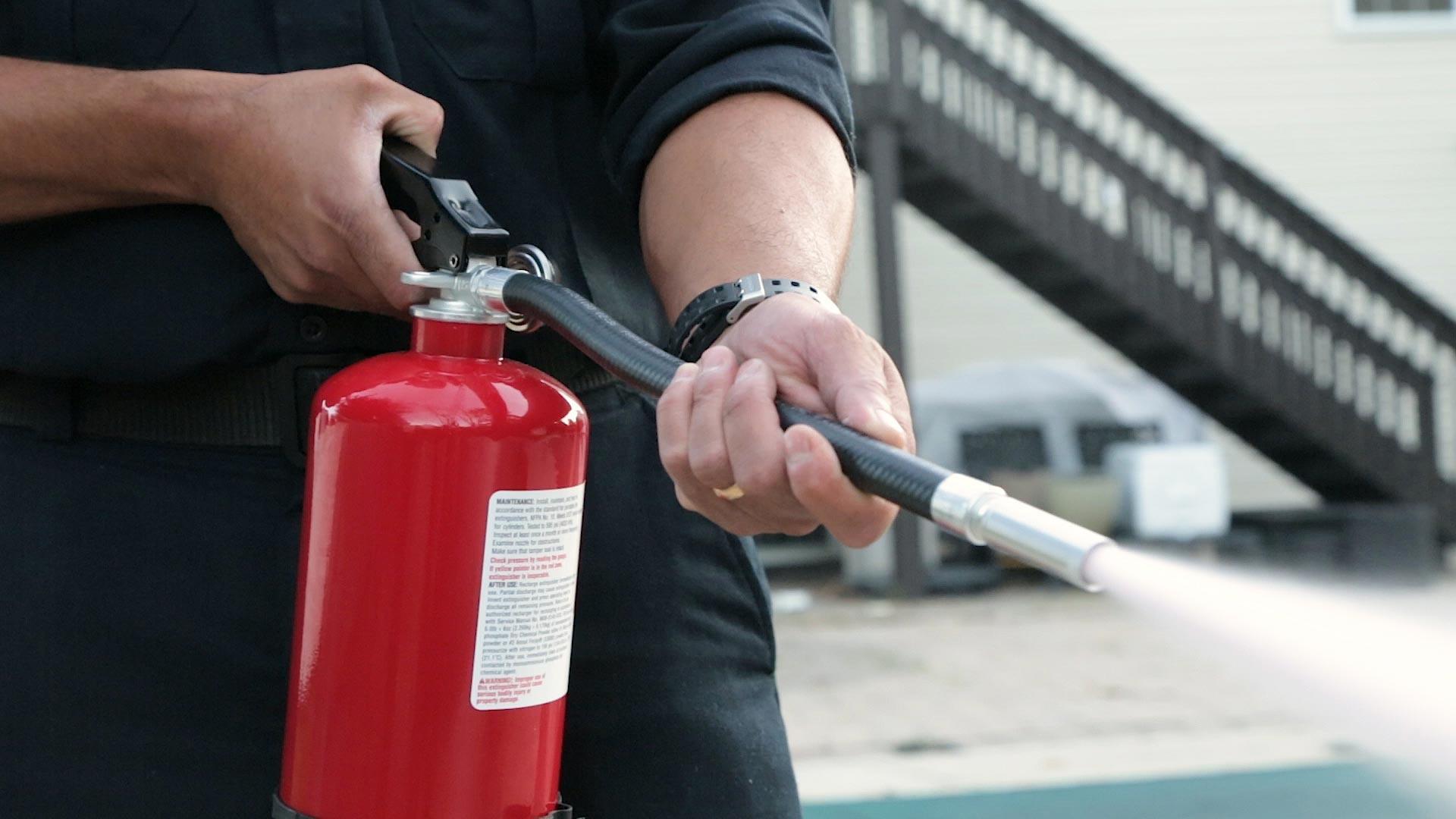
- Fire Suppression Systems: Systems such as sprinklers, fire extinguishers, and gaseous suppression systems that actively combat fires.
- Emergency Lighting: Lighting that ensures visibility and safe evacuation during power outages caused by fires.
- Fire Alarm Systems: These systems alert occupants and emergency services to the presence of a fire.
For a comprehensive understanding of these components, read more about this topic.
The Role of Fire Protection in Building Certification
Achieving building certification is contingent upon meeting stringent fire safety standards. Fire protection services play a crucial role in this regard, as they are integral to the building’s overall safety and compliance.
Certification Requirements
- Compliance with Codes: Buildings must adhere to local and national fire safety codes and regulations.
- Regular Inspections: Regular inspections and maintenance of fire protection systems ensure their functionality and reliability.
- Documentation: Proper documentation of fire safety measures and system maintenance is critical for certification.
Learn more in this detailed guide on fire protection requirements for building certification.
Types of Fire Protection Services
There are several types of fire protection services, each tailored to meet specific building needs and regulatory requirements.
Active Fire Protection (AFP)
Active fire protection involves systems that require activation or response to work. These include:
- Fire extinguishers
- Sprinkler systems
- Fire alarms
Explore further insights here on active fire protection systems and their importance.
Passive Fire Protection (PFP)
Passive fire protection refers to structural measures that prevent the spread of fire and smoke. These include:
- Fire-resistant walls and floors
- Fire doors
- Compartmentalization of spaces
For additional information on passive fire protection, find additional information here.
Conclusion
Fire protection services are indispensable for ensuring the safety and compliance of buildings. They play a critical role in obtaining building certification by meeting fire safety standards and regulations. Understanding the various components and types of fire protection services can help building owners and managers implement effective fire safety strategies. By doing so, they not only ensure the safety of occupants but also protect property and assets.