Expert Tips for Removing Mould with Pressure Washing Services
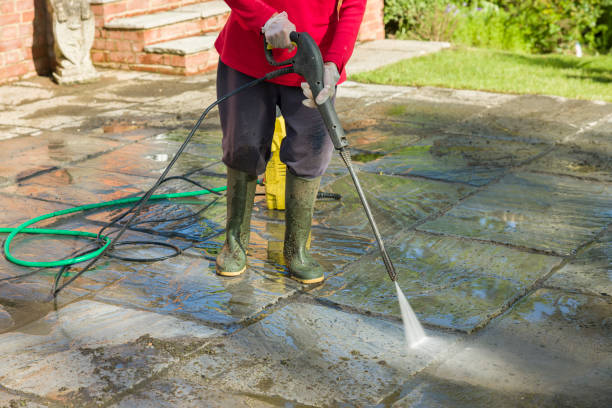
Mould growth on exterior surfaces can compromise both aesthetics and structural integrity. While chemical cleaners may provide temporary relief, pressure washing offers a thorough, environmentally-friendly solution that removes spores, stains, and embedded debris in a single pass. Understanding the science behind mould, the mechanics of pressure washing, and best-practice safety measures can help homeowners and property managers achieve lasting results without causing damage to the underlying material.
Why Pressure Washing Is Effective Against Mould
Pressure washing combines high-velocity water flow with targeted cleaning agents to break down the protective layers mould creates. The process works on three fundamental principles:
- Mechanical Dislodgement: Water pressures between 1,500 and 3,000″?psi can physically remove the fungal hyphae from porous surfaces.
- Surface Penetration: The focused stream reaches crevices and joints where mould spores often hide.
- Rinse-Away Capability: Immediate rinsing prevents re-settling of spores and eliminates residual cleaning chemicals.
For a deeper dive into the technical aspects of pressure washing, Read more about this topic.
Preparing the Area Before You Begin
Safety First
Proper preparation minimizes risk to both the operator and the property:
- Wear protective eyewear, gloves, and non-slip footwear.
- Secure loose items such as garden furniture, planters, and decorative objects.
- Cover nearby electrical outlets and lighting fixtures with waterproof sheeting.
Identify Sensitive Materials
Not all surfaces can tolerate high pressure. Conduct a quick assessment to locate:
- Wooden decks or siding that may splinter under intense pressure.
- Painted surfaces that could blister or peel.
- Older brickwork or mortar joints that might erode.
When in doubt, start with the lowest pressure setting and increase gradually. Learn more in this detailed guide.
Step-by-Step Guide to Removing Mould
1. Pre-Treat with a Biodegradable Cleaner
Apply a mould-specific, biodegradable cleaning solution to the affected area. Allow it to dwell for 5-10″?minutes so the surfactants can penetrate the fungal structure.
2. Choose the Correct Nozzle
For mould removal, a 25-degree or 40-degree nozzle provides a balance between pressure and coverage. A narrower nozzle may damage delicate surfaces, while a wider one may lack sufficient force.
3. Set the Appropriate Pressure
Typical recommendations are:
- Concrete, stone, and brick: 2,500-3,000″?psi.
- Vinyl siding and metal: 1,500-2,000″?psi.
- Wooden decks: 1,200-1,500″?psi, using a sweeping motion.
4. Execute a Controlled Sweep
Maintain a consistent distance of 12-18 inches from the surface. Move the wand in overlapping, horizontal strokes to ensure even coverage and prevent streaks.
5. Rinse Thoroughly
After the mould is dislodged, switch to a plain water rinse. This step removes any lingering spores and cleaning residue, reducing the chance of regrowth.
6. Allow the Surface to Dry Completely
Drying times vary; most exterior surfaces will be dry within 24″?hours under moderate weather conditions. Adequate drying prevents moisture from re-establishing a hospitable environment for mould.
For an overview of each step with visual aids, Explore further insights here.
Post-Cleaning Maintenance Tips
Even after a successful pressure wash, regular upkeep is essential to keep mould at bay:
- Improve Drainage: Ensure water runoff is directed away from walls and foundations.
- Apply Protective Sealants: Penetrating sealers on concrete and stone create a barrier that reduces moisture absorption.
- Schedule Routine Inspections: Conduct visual checks at least twice a year, focusing on shaded or humid areas.
- Maintain Vegetation: Trim back vines and overhanging branches that trap moisture against surfaces.
Detailed recommendations on long-term mould prevention can be found by Find additional information here.
Common Mistakes to Avoid
Even experienced users can encounter pitfalls that diminish the effectiveness of pressure washing:
- Using Excessive Pressure: This can etch or crack delicate materials, creating new niches for mould.
- Skipping the Pre-Treatment: Direct pressure alone may not fully break down stubborn mould colonies.
- Neglecting Protective Gear: High-velocity water can cause serious injury without proper eye and skin protection.
- Rushing the Drying Phase: Moisture trapped under paint or sealant can lead to rapid regrowth.
Conclusion
Effective mould removal with pressure washing hinges on preparation, the right equipment, and disciplined technique. By following the outlined steps, pre-treating with a suitable cleaner, selecting appropriate pressure settings, and maintaining the cleaned surface, property owners can achieve a clean, healthy exterior that resists future fungal invasion. For continued education on best practices and safety standards, refer to reputable resources such as Read more about this topic.