Franna Crane Hire Solutions for Heavy-Duty Tasks
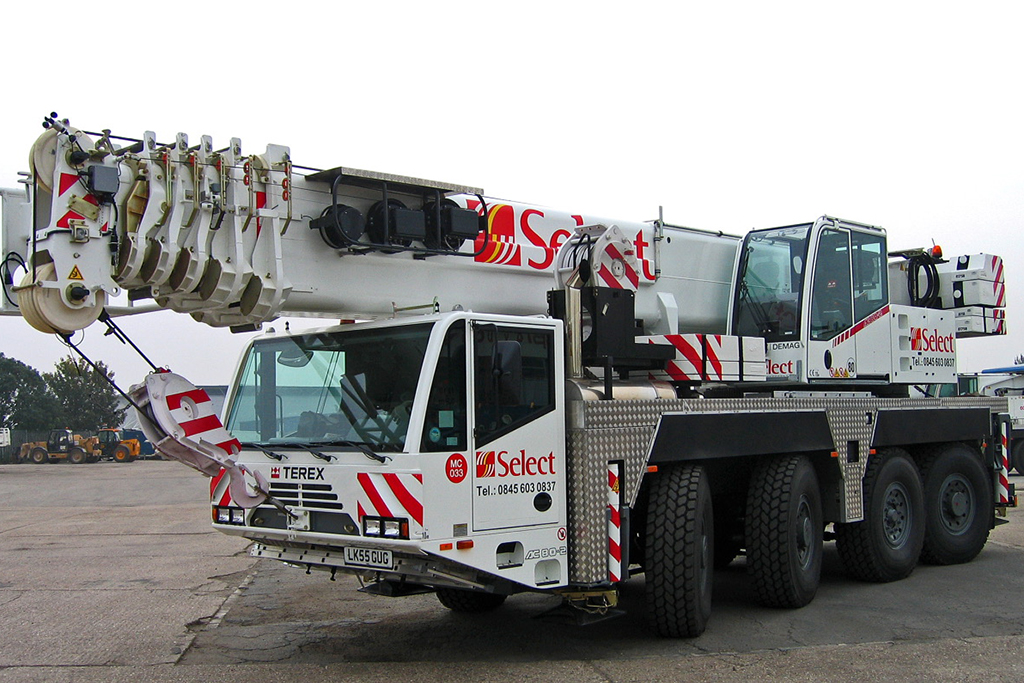
When a construction project demands the utmost precision, safety, and lifting capacity, the choice of crane hire can determine the line between success and costly delays. Heavy-duty tasks, such as installing structural steel, moving large prefabricated modules, or handling oversized equipment, require equipment that not only meets rigorous load specifications but also adapts to challenging site conditions. This article explores the key considerations for selecting a Franna crane hire solution, outlines the benefits of modern mobile crane technology, and provides practical guidance for project managers seeking reliable, high-performance lifting services.
Why Choose a Franna Crane for Heavy-Duty Lifting?
Franna cranes are renowned for their robust design, high load capacities, and versatility across a range of industries, from civil infrastructure to commercial construction. Their modular construction allows for quick assembly and disassembly, reducing on-site downtime. Moreover, the integration of advanced safety systems, such as load moment indicators and automated stabilisation, helps maintain compliance with Australian standards.
Key Advantages
- Exceptional Load Capacity: Models can lift from 10 tonnes up to 250 tonnes, covering most heavy-duty requirements.
- Rapid Deployment: Modular sections enable set-up in under 24 hours on most sites.
- Enhanced Safety Features: Real-time monitoring, anti-collision sensors, and remote control options minimise risk.
- Adaptability: Capable of operating on uneven terrain, tight urban sites, and confined spaces.
Assessing Project Requirements
Before finalising a crane hire contract, a thorough assessment of the project’s specific needs is essential. This includes evaluating site logistics, load characteristics, and regulatory constraints.
Site Evaluation Checklist
- Ground bearing capacity and soil type.
- Available space for crane outriggers and swing radius.
- Proximity to power lines, traffic routes, and pedestrian zones.
- Weather patterns that may affect lift stability.
Understanding these factors helps determine the appropriate crane model, required accessories, and the level of operator expertise needed. For detailed guidance on matching crane specifications to site conditions, Discover expert strategies here.
Optimising Lift Planning and Execution
Effective lift planning reduces risk, improves efficiency, and ensures that all stakeholders are aligned. A comprehensive lift plan typically includes load charts, rigging diagrams, and a step-by-step sequence of operations.
Components of a Robust Lift Plan
- Load Analysis: Verify weight, centre of gravity, and any dynamic forces.
- Rigging Selection: Choose slings, shackles, and spreader bars appropriate for the load.
- Signal Protocols: Establish clear hand signals or radio communication procedures.
- Contingency Measures: Define emergency stop procedures and alternative lift methods.
Access to industry-specific templates and case studies can streamline this process. For a deeper dive into practical lift-planning resources, Explore advanced guides and tips.
Maintenance, Inspection, and Compliance
Regular maintenance and rigorous inspection regimes are non-negotiable for heavy-duty crane operations. Compliance with Australian Standard AS 2550.1 (Cranes, hoists, and winches – Safe use) ensures that equipment remains safe throughout its service life.
Maintenance Best Practices
- Daily visual inspections for wear, cracks, and hydraulic leaks.
- Scheduled non-destructive testing (NDT) of critical components.
- Documentation of all service activities in a centralized log.
- Operator training refreshers every 12 months.
Choosing a hire provider that adheres to a strict maintenance schedule can significantly lower the risk of unexpected breakdowns. Detailed information on maintenance protocols is available at Find out more about this approach.
Cost Management and Value Maximisation
While the upfront cost of hiring a high-capacity Franna crane may appear substantial, the total cost of ownership often proves lower when factoring in reduced project timelines, fewer equipment changes, and lower labour expenses. Transparent pricing models, including hourly rates, mobilisation fees, and optional insurance, help stakeholders forecast budgets accurately.
Strategies to Optimise Costs
- Consolidate lifts to minimise mobilisation trips.
- Negotiate fixed-price contracts for long-term projects.
- Leverage off-peak scheduling to secure discounted rates.
- Utilise remote monitoring to reduce on-site supervision costs.
Conclusion
Selecting the right Franna crane hire solution is a strategic decision that impacts safety, schedule adherence, and overall project profitability. By conducting a meticulous site assessment, developing comprehensive lift plans, ensuring rigorous maintenance, and managing costs proactively, construction teams can confidently tackle the most demanding heavy-duty tasks. Leveraging the expertise and resources offered by specialised crane providers further enhances the likelihood of a successful, on-time project delivery.