How to Choose the Right Roll Off Dumpster Rental
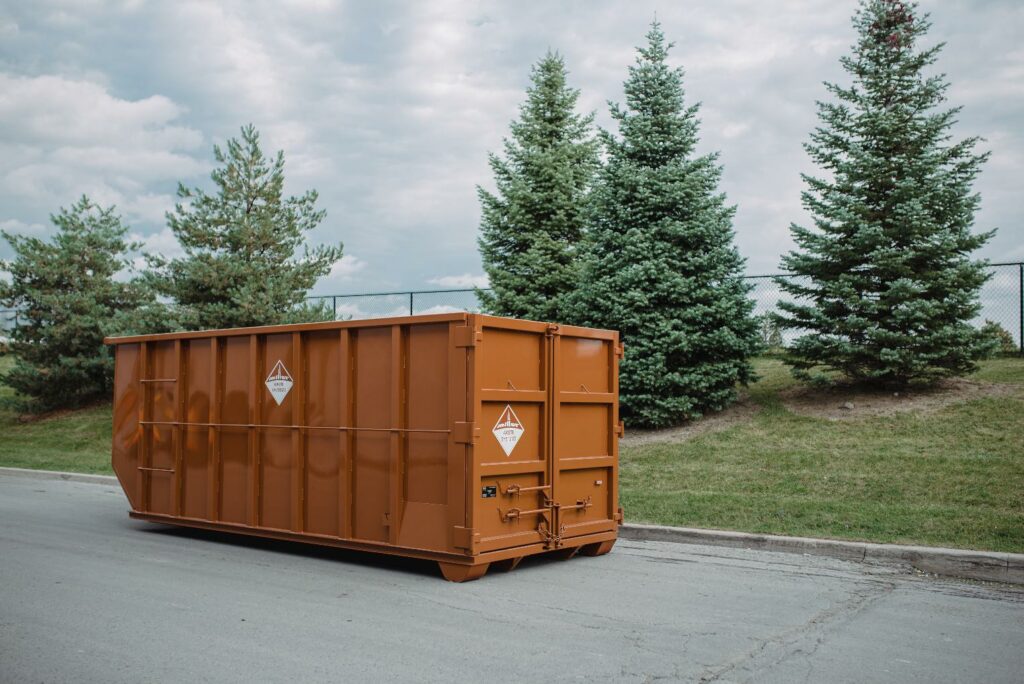
Choosing the right roll-off dumpster rental can significantly impact the efficiency and cost-effectiveness of a waste management project. Whether you’re clearing out your home, embarking on a remodeling project, or managing a construction site, selecting an appropriate dumpster size and type is crucial. This guide aims to help individuals and businesses make informed decisions by exploring the essentials of roll-off dumpster rentals.
Understanding Your Project Needs
Before delving into the specifics of dumpster rentals, it is essential to evaluate the scope and requirements of your project. Consider the following factors:
- Type of Waste: Different projects generate various types of waste, such as construction debris, household waste, or hazardous materials. Knowing the waste type helps in choosing an appropriate dumpster.
- Volume of Waste: Estimating the volume of waste can guide you in selecting the right dumpster size. Overestimating can lead to unnecessary costs, while underestimating might require additional rentals.
- Duration of Rental: Determine how long you will need the dumpster. Some companies offer flexible rental periods, which can be beneficial for longer projects.
For an in-depth analysis of project requirements, discover expert strategies here.
Selecting the Right Size
Roll-off dumpsters come in various sizes, typically ranging from 10 to 40 cubic yards. Selecting the right size is imperative to optimize costs and ensure efficiency. Here is a quick guide to help:
- 10-15 Cubic Yards: Ideal for small-scale projects, such as garage cleanouts or small renovations.
- 20 Cubic Yards: Suitable for medium-sized projects, such as large home cleanouts or small construction projects.
- 30 Cubic Yards: Best for larger projects, like home additions or extensive renovations.
- 40 Cubic Yards: Perfect for major construction projects, commercial renovations, or large-scale cleanouts.
To determine the best size for your specific needs, learn about our tailored solutions.
Assessing Placement and Accessibility
Placement Considerations
Where you place the dumpster is just as important as the size. Ensure that the location:
- Has a flat, stable surface to prevent tipping or shifting.
- Is easily accessible for drop-off and pick-up services.
- Complies with local regulations and zoning laws.
Accessibility Factors
Consider the ease of access for both loading waste and for the rental company’s trucks to service the dumpster:
- Make sure there’s adequate clearance for the delivery truck.
- Avoid placing the dumpster in areas that could disrupt traffic or block essential pathways.
For comprehensive guidance on accessibility and placement, explore advanced guides and tips.
Evaluating Rental Costs and Policies
The cost of renting a roll-off dumpster can vary significantly based on several factors:
- Size and Type: Larger dumpsters or those designed for specific waste types may cost more.
- Rental Duration: Longer rental periods often incur additional fees.
- Additional Services: Some companies offer services like waste disposal or recycling, which may affect overall costs.
To understand more about cost-effective solutions, find out more about this approach.
Conclusion
Choosing the right roll-off dumpster rental involves careful consideration of project needs, size, placement, and cost. By thoroughly evaluating these factors, individuals and businesses can ensure a smoother and more efficient waste management process. For further assistance and detailed information, explore advanced guides and tips.