Key Components of Efficient Switchgear Systems
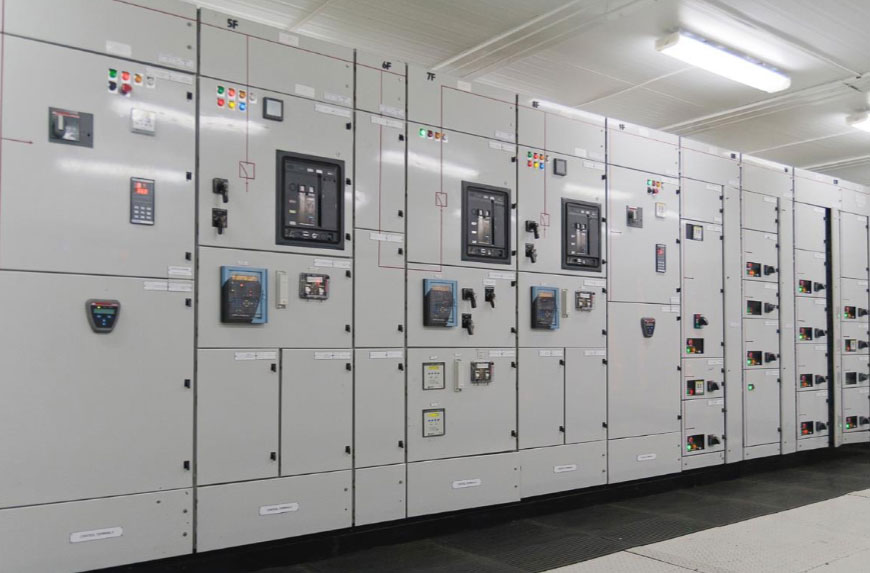
In modern electrical infrastructure, switchgear systems play a crucial role in managing and controlling the flow of electricity. They are vital for ensuring the safety, efficiency, and reliability of electrical power systems. Understanding the key components of efficient switchgear systems is essential for anyone involved in the design, implementation, or maintenance of electrical networks. This article explores the fundamental elements that contribute to optimal switchgear performance and offers insights into best practices for their deployment and operation.
Core Components of Switchgear Systems
Switchgear systems are comprised of several fundamental components, each serving a specific function to ensure the smooth operation of electrical distribution networks. These components include:
- Circuit Breakers: These are critical for interrupting fault currents and protecting the electrical system from damage. They automatically disconnect circuits in the event of an overload or short circuit.
- Disconnection Switches: These manually operated switches provide a safe means of isolating circuits for maintenance and repair.
- Fuses: Fuses are safety devices that protect electrical circuits by breaking the connection if the current exceeds a specific level, preventing potential hazards.
- Protective Relays: These devices monitor electrical conditions and initiate circuit breaker operation to prevent damage from faults.
- Busbars: Conductive bars that distribute electrical power to various circuits within the switchgear assembly.
For those seeking in-depth knowledge on these components, discover expert strategies here.
Importance of Efficient Design and Configuration
The design and configuration of switchgear systems significantly impact their efficiency and effectiveness. Proper design ensures that the system meets the specific needs of an application, optimizing performance and minimizing risks. Key considerations include:
- System Layout: A well-organized layout facilitates easy access for maintenance and enhances system reliability.
- Component Selection: Choosing the right components based on system requirements, such as voltage level and current rating, is crucial for optimal operation.
- Integration with Other Systems: Efficient switchgear systems are seamlessly integrated with other electrical and monitoring systems to ensure comprehensive control and protection.
- Scalability: The design should allow for future expansion and upgrades to accommodate changing demands.
To learn about tailored solutions for switchgear design, find out more about this approach.
Maintenance and Testing for Reliability
Regular maintenance and testing are imperative for ensuring the reliability and longevity of switchgear systems. These practices help identify potential issues before they lead to system failures. Important maintenance and testing measures include:
- Visual Inspections: Regular inspections to check for signs of wear, corrosion, or damage.
- Functional Testing: Periodically testing components like circuit breakers and protective relays to ensure proper operation.
- Thermal Imaging: Using thermal cameras to detect hotspots that might indicate electrical inefficiencies or faults.
- Electrical Testing: Conducting tests such as insulation resistance and contact resistance to assess the condition of switchgear components.
For advanced guides and tips on maintaining switchgear systems, explore advanced guides and tips.
Conclusion
Efficient switchgear systems are foundational to secure and reliable electrical power distribution. Understanding their key components, design considerations, and maintenance practices is essential for optimizing performance and ensuring safety. By prioritizing these elements, electrical professionals can enhance system longevity and minimize operational risks. For those looking to deepen their understanding of switchgear systems, learn about our tailored solutions.