Key Considerations for Education Building Construction Projects
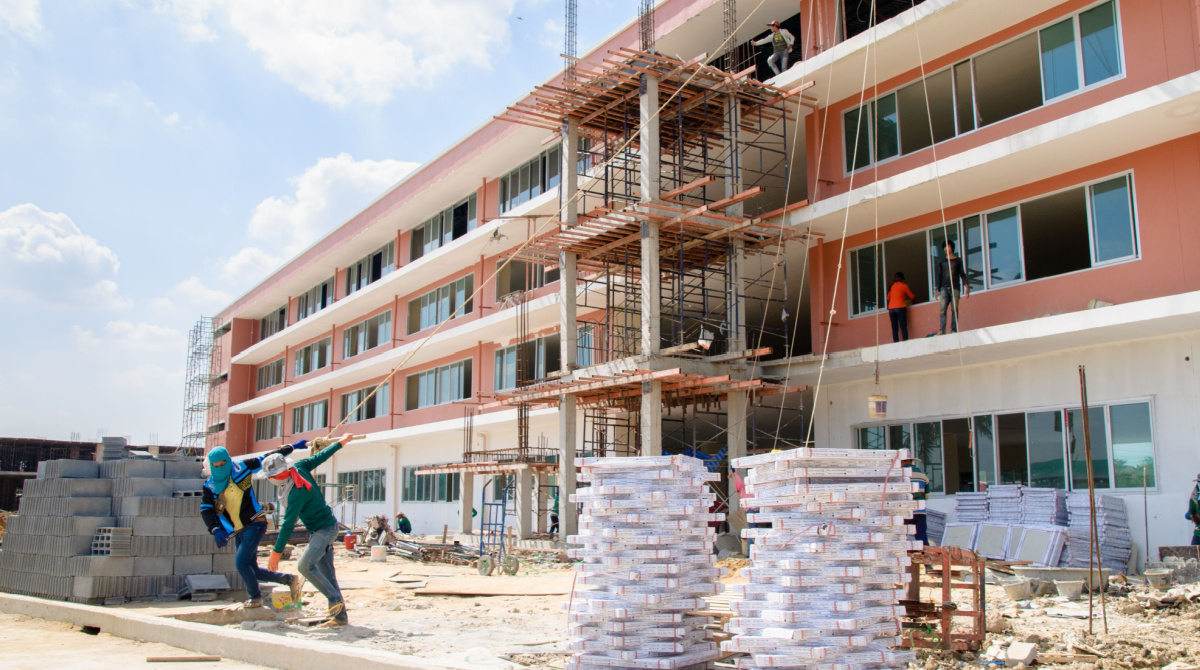
Education building construction projects are complex endeavors that require careful planning and coordination. These projects not only involve the construction of physical structures but also demand attention to the educational environment that will be created. When planning and executing such projects, several key considerations must be taken into account to ensure success and sustainability. This article delves into various factors that stakeholders need to address during the construction of educational facilities.
Site Selection and Planning
Choosing the right location is fundamental for the success of any educational building project. The site should be accessible, safe, and conducive to learning. Key factors to consider include:
- Proximity to residential areas to ensure ease of access for students and faculty.
- Availability of public transportation and infrastructure.
- Environmental impact assessments to mitigate any adverse effects on the surroundings.
- Future expansion possibilities to accommodate growth.
For more detailed insight into site planning, find additional information here.
Design Considerations
The design of educational facilities should reflect both current needs and future trends in education. Important aspects include:
Flexibility and Adaptability
Modern educational environments require flexibility to adapt to various teaching methods and technological advancements. Consider incorporating:
- Modular classrooms that can be reconfigured for different uses.
- Multi-functional spaces that support a variety of learning activities.
Sustainability and Energy Efficiency
Educational buildings are increasingly focusing on sustainability to reduce environmental impact and operating costs. Key strategies include:
- Using sustainable building materials.
- Implementing energy-efficient systems such as solar panels and LED lighting.
- Incorporating green spaces and natural lighting to enhance the learning environment.
Explore further insights on sustainable design here.
Regulatory Compliance and Safety
Ensuring that educational buildings comply with all relevant regulations and standards is crucial. Key considerations include:
- Adherence to building codes and safety standards.
- Incorporating fire safety systems and emergency exits.
- Ensuring accessibility for individuals with disabilities.
To learn more about compliance requirements, read more about this topic.
Budgeting and Financial Planning
Effective budgeting is essential to keep educational construction projects on track. Considerations include:
- Conducting thorough cost estimates and risk assessments.
- Identifying funding sources and financial incentives.
- Allocating contingency funds for unforeseen expenses.
For a comprehensive guide on financial planning for construction projects, learn more in this detailed guide.
Project Management and Collaboration
Successful educational building projects rely on strong project management and collaboration among stakeholders. Important elements include:
- Establishing clear communication channels among architects, builders, and educators.
- Setting realistic timelines and milestones.
- Engaging stakeholders early in the planning process to ensure their needs are met.
Explore further insights on project management here.
In conclusion, the construction of educational buildings involves a myriad of considerations, from site selection and design to compliance and project management. By addressing these factors thoughtfully and collaboratively, stakeholders can create educational environments that are not only functional and inspiring but also sustainable for future generations.