Pathway Pressure Cleaning Services for Safe and Slip-Free Walkways
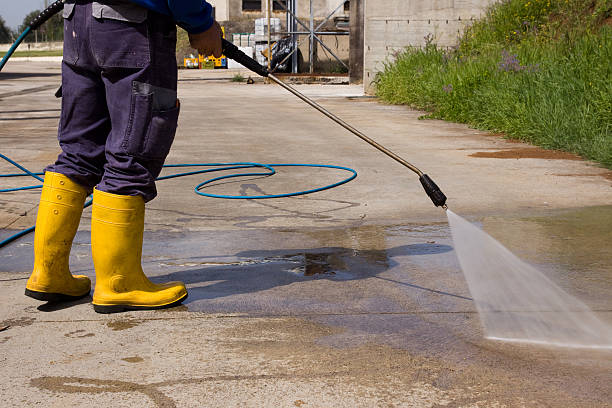
Walkways that receive regular foot traffic are prone to accumulating dirt, algae, oil residues, and organic growth. Over time, these contaminants create a hazardous surface that can lead to slips, trips, and falls. Pressure cleaning services address these risks by removing embedded grime and restoring a clean, high-traction surface. The process not only improves safety but also extends the lifespan of concrete, stone, and tiled pathways. Understanding the technical aspects, environmental considerations, and maintenance strategies associated with pressure cleaning helps property managers and facility owners make informed decisions that protect users and preserve infrastructure.
How Pressure Cleaning Works
Pressure cleaning, also known as power washing, utilizes a high-velocity stream of water, often combined with biodegradable detergents, to dislodge contaminants from porous surfaces. The equipment typically includes a pump, a high-pressure hose, and interchangeable nozzles that control flow rate and spray pattern. By selecting the appropriate pressure level and nozzle type, operators can target stubborn stains without damaging the substrate.
Key Components of an Effective Service
- Pressure Settings: Adjusted according to material hardness; concrete may tolerate 2,500-3,000″?psi, while softer stone often requires 1,200-1,800″?psi.
- Water Temperature: Warm water enhances detergent effectiveness, especially for oil-based residues.
- Detergent Selection: Environmentally safe, biodegradable agents break down organic matter without harming surrounding vegetation.
- Nozzle Choice: A 0-degree nozzle provides pinpoint cleaning for deep stains; a 25-degree nozzle offers broader coverage for general maintenance.
For a deeper dive into the technical parameters of pressure cleaning, Read more about this topic.
Safety Benefits of Slip-Free Walkways
A clean walkway reduces the coefficient of friction that leads to slips. Moisture-resistant surfaces also prevent the formation of bio-films, thin layers of algae or mold that become especially slick when wet. By regularly removing these growths, the risk of accidents diminishes significantly, which can lower liability exposure for property owners.
Statistical Insight
- Studies show a 30-40% reduction in slip-related incidents after the first professional pressure cleaning cycle.
- Regular maintenance (quarterly to bi-annual) maintains a friction coefficient above the recommended 0.5 for pedestrian traffic.
- Improved visibility of surface markings and edges contributes to better wayfinding, especially in low-light conditions.
If you are interested in evidence-based guidance on slip-resistance standards, Explore further insights here.
Environmental Considerations
Professional pressure cleaning services are increasingly adopting eco-friendly practices. Using low-impact detergents, recycling reclaimed water, and employing water-efficient equipment minimize the environmental footprint. Additionally, proper disposal of runoff, especially when dealing with oil or chemical stains, is essential to protect nearby soil and waterways.
Best Practices for Sustainable Cleaning
- Choose biodegradable cleaning agents that meet local environmental regulations.
- Implement a water recovery system to capture and reuse up to 80% of the water applied.
- Schedule cleaning during dry weather to reduce runoff volume.
- Conduct a site-specific risk assessment before applying any chemicals.
A comprehensive guide on sustainable cleaning methods can be found by Learn more in this detailed guide.
Maintenance Planning and Frequency
Establishing a maintenance schedule tailored to the walkway’s exposure and usage patterns ensures long-term safety. High-traffic commercial plazas, school campuses, and outdoor event venues typically require more frequent cleaning than residential driveways. A proactive approach, combining routine pressure cleaning with periodic inspections, helps identify emerging hazards before they become critical.
Suggested Maintenance Calendar
- Quarterly: General cleaning for high-traffic areas to remove dust, pollen, and light oil deposits.
- Bi-annual: Deep cleaning with detergent application for areas prone to algae or oil buildup.
- Annual: Full inspection and re-seal of porous surfaces to maintain water-repellent properties.
For a customizable maintenance checklist, Find additional information here.
Choosing the Right Service Provider
When selecting a pressure cleaning contractor, evaluate qualifications beyond price. Look for certifications in occupational health and safety, evidence of environmentally responsible practices, and a documented track record of handling the specific substrate of your walkways. Requesting a detailed scope of work, covering pressure levels, detergent types, and post-cleaning surface testing, provides transparency and helps align expectations.
Questions to Ask During the Vetting Process
- What is the recommended pressure range for my walkway material?
- Are the cleaning agents used fully biodegradable and approved for local regulations?
- How is water runoff captured, filtered, or disposed of?
- Can the provider supply a post-cleaning slip-resistance test report?
A thorough explanation of these considerations can be accessed by Read more about this topic.
Conclusion
Maintaining safe, slip-free walkways is a critical component of facility management, public safety, and asset preservation. Pressure cleaning offers an efficient, environmentally adaptable solution that removes hazardous contaminants while enhancing surface durability. By understanding the mechanics of the cleaning process, incorporating sustainable practices, and establishing a regular maintenance schedule, property owners can significantly reduce the likelihood of slip-related incidents and extend the functional life of their pathways. Ongoing education and careful selection of qualified service providers ensure that the benefits of pressure cleaning are fully realized without compromising safety or ecological responsibility.