Permanently Replace Missing Teeth with Implants
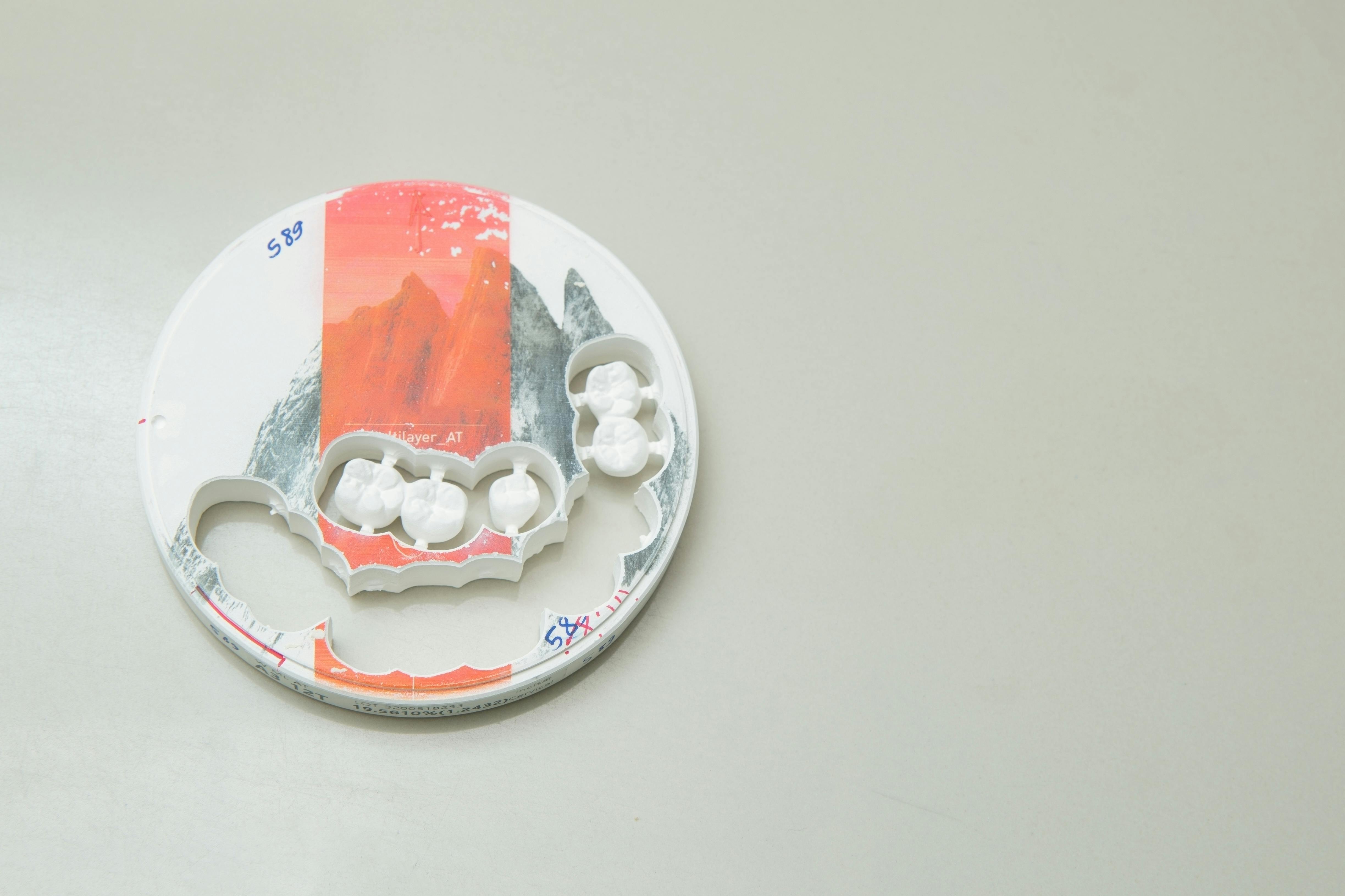
Missing teeth can impact not only one’s appearance but also their overall oral health. The absence of teeth can lead to various dental complications, such as misalignment of remaining teeth, bone loss, and difficulty in chewing. Dental implants have emerged as a reliable and permanent solution to replace missing teeth, offering both functional and aesthetic benefits. This article delves into the advantages of dental implants, the procedure involved, and why they might be the right choice for those seeking a long-term solution to tooth loss.
Understanding Dental Implants
Dental implants are artificial tooth roots made of biocompatible materials, such as titanium, that are surgically placed into the jawbone. They provide a sturdy foundation for fixed or removable replacement teeth that are designed to match natural teeth.
The Components of Dental Implants
- Implant post: This is the screw-like device that is inserted into the jawbone and acts as the root of the replacement tooth.
- Abutment: A connector that holds and supports the tooth or set of teeth.
- Crown: The visible part of the tooth, usually made of ceramic or porcelain, that is attached to the abutment.
Read more about this topic here.
Benefits of Dental Implants
Dental implants offer numerous advantages over traditional dentures and bridges. Here are some key benefits:
- Durability: Implants are designed to last many years, providing a long-term solution to tooth loss.
- Improved Oral Health: Unlike tooth-supported bridges, implants do not require alteration of adjacent teeth, helping to preserve natural tooth structure.
- Enhanced Comfort: Because they become part of the jawbone, implants eliminate the discomfort associated with removable dentures.
- Better Speech: Implants enable clear and precise speech, as they function like natural teeth.
For further insights into the benefits of implants, explore further insights here.
The Dental Implant Procedure
The process of getting dental implants involves several steps, typically carried out over a few months:
Initial Consultation and Planning
The first step involves a thorough dental exam, including X-rays and 3D images, to assess the bone structure and plan the implant procedure. Find additional information on the initial steps here.
Implant Placement
During a minor surgical procedure, the implant is placed into the jawbone. Over time, the bone grows around the implant, a process known as osseointegration, which can take several weeks to months.
Abutment and Crown Placement
Once osseointegration is complete, the abutment is attached to the implant post, followed by the placement of the custom-made crown. This final step restores the natural appearance and function of the tooth.
Learn more in this detailed guide here.
Are Dental Implants Right for You?
While dental implants are an excellent option for many, they may not be suitable for everyone. Ideal candidates typically have healthy gums and sufficient bone to support the implant. However, advancements in dental technology have made it possible for individuals with bone loss to still consider implants, often through bone grafting procedures.
Consulting with a dental professional can help determine the best course of action based on individual needs and conditions. For more personalized information, find additional information here.
In conclusion, dental implants provide a permanent and effective solution for replacing missing teeth. They not only restore the functionality and appearance of natural teeth but also contribute to better oral health. By understanding the procedure and benefits, individuals can make informed decisions about their dental care and enjoy a renewed sense of confidence and well-being.