Professional Metal Roofing Installation Services
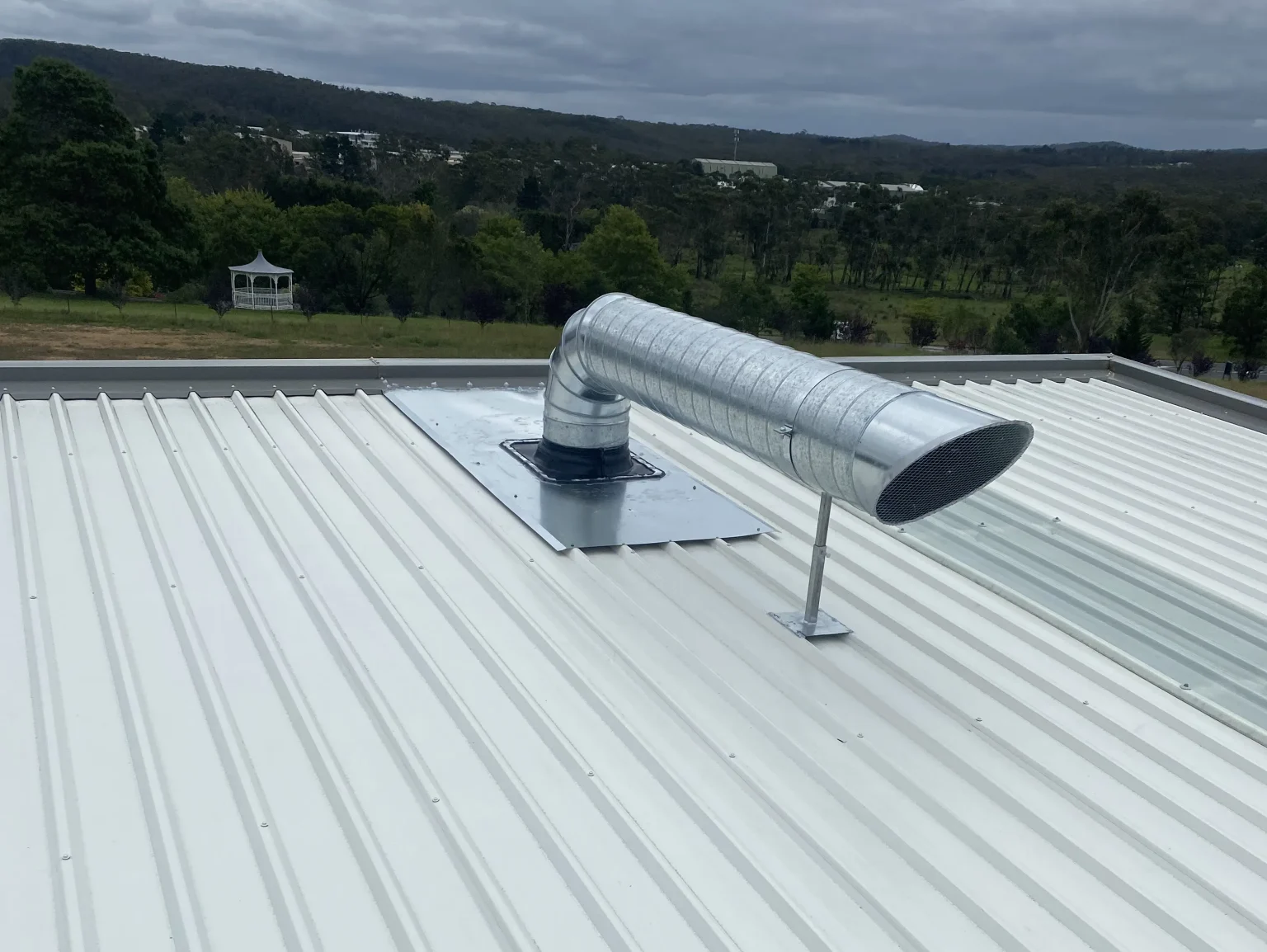
In today’s construction industry, metal roofing has emerged as a preferred choice for both residential and commercial properties. Known for their durability, sustainability, and aesthetic appeal, metal roofs have revolutionized the roofing landscape. Professional installation is crucial to maximize these benefits, ensuring that the roofing system performs optimally over its lifespan. This article delves into the multifaceted world of professional metal roofing installation services, highlighting key considerations, methodologies, and benefits that underscore their significance.
Benefits of Metal Roofing
Metal roofing offers a wide array of benefits that extend beyond mere durability. These roofs are designed to withstand harsh weather conditions, provide energy efficiency, and require minimal maintenance. Here are some of the notable advantages:
- Longevity: Metal roofs can last 40-70 years, significantly longer than traditional asphalt roofing.
- Durability: They can withstand wind speeds of up to 140 miles per hour, are impact-resistant, and do not corrode or crack.
- Energy Efficiency: Metal roofs reflect solar radiant heat, which can reduce cooling costs by 10-25%.
- Eco-Friendly: Most metal roofs are made from recycled materials and are 100% recyclable at the end of their life cycle.
For a deeper understanding of these benefits, explore advanced guides and tips.
Choosing the Right Metal Roofing Material
Selecting the appropriate material is critical for the success of a metal roofing project. Factors such as climate, budget, and aesthetic preference play a pivotal role. Key materials include:
- Steel: Most common, cost-effective, and available in various styles and colors.
- Aluminum: Lightweight and resistant to corrosion, making it ideal for coastal climates.
- Copper: Known for its distinctive appearance and long lifespan, albeit at a higher cost.
- Zinc: Offers a long life and resistance to corrosion, with a unique patina over time.
For more comprehensive insights, discover expert strategies here.
Professional Installation Process
Site Assessment and Preparation
A thorough site assessment is the first step in any professional metal roofing installation. This involves evaluating the structural integrity of the existing roof, measuring dimensions, and identifying potential challenges.
Design and Customization
Customization allows the roof to complement the structure?s architecture. Options include color, texture, and panel design. Learn about tailored solutions.
Installation Techniques
The installation process involves several critical techniques, each tailored to the specific material and design:
- Panel Installation: Panels are carefully aligned and secured, ensuring water-tightness and structural integrity.
- Flashing: Essential for preventing leaks, flashing is installed around chimneys, vents, and skylights.
- Finishing Touches: Includes sealing, painting, and inspecting for quality assurance.
For more on these techniques, find out more about this approach.
Maintenance and Longevity
While metal roofs are low-maintenance, regular inspections can prolong their lifespan and maintain aesthetics. Key maintenance practices include:
- Regular Cleaning: Removing debris and dirt to prevent potential damage.
- Inspections: Checking for loose panels, rust, and sealant degradation.
- Repairs: Promptly addressing any damage to prevent escalation.
For further maintenance tips, explore advanced guides and tips.
Conclusion
Professional metal roofing installation offers unparalleled benefits, from enhanced durability to aesthetic versatility. By selecting the right materials and employing expert installation techniques, property owners can ensure their roofing system stands the test of time. For those looking to invest in a reliable and efficient roofing solution, understanding these aspects is crucial. Discover expert strategies here.