Radiator Flush Service: Prevent Overheating Issues
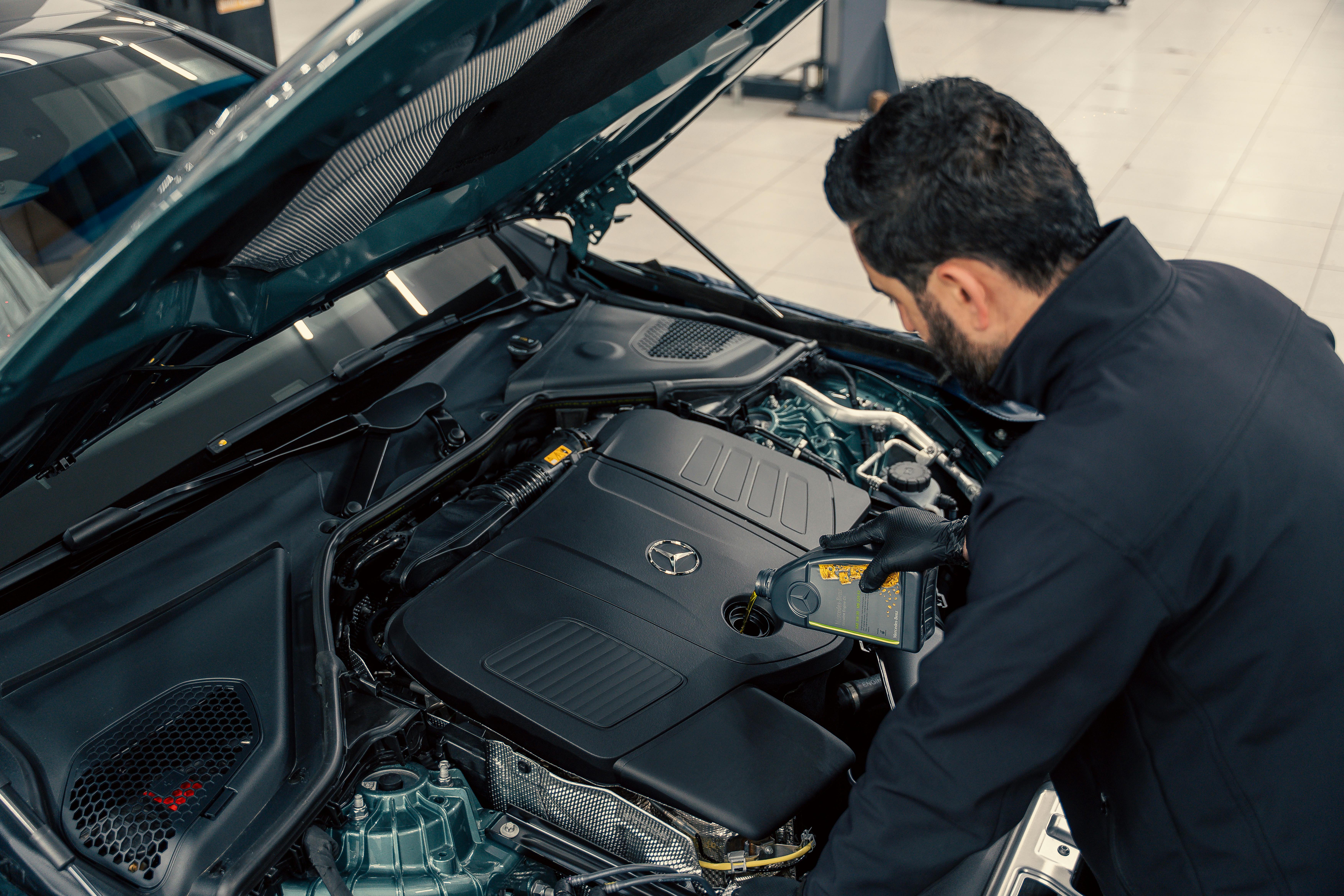
Maintaining an optimal temperature for your vehicle’s engine is crucial for its performance and longevity. One of the most effective ways to prevent overheating issues is through regular radiator flush services. Radiator flushes help to remove contaminants, rust, and sludge that accumulate over time, potentially causing blockages and reducing the efficiency of the cooling system. With proper maintenance, drivers can ensure that their vehicles operate smoothly and avoid costly repairs.
Benefits of a Radiator Flush Service
A radiator flush offers numerous benefits that contribute to the overall health of your vehicle”?s engine. Here are some of the key advantages:
- Prevents Overheating: By removing debris and deposits, a radiator flush keeps the cooling system efficient, reducing the risk of overheating.
- Improves Efficiency: A clean cooling system allows for better heat exchange, which helps the engine run more efficiently.
- Extends Radiator Life: Regular flushes prevent corrosion and build-up, which can prolong the life of the radiator.
- Prevents Rust: The introduction of fresh coolant during a flush prevents rust and corrosion inside the radiator.
For more comprehensive details, read more about this topic.
How Often Should a Radiator Flush Be Conducted?
The frequency of radiator flushes can depend on several factors, including the type of vehicle, driving conditions, and manufacturer’s recommendations. Here are some general guidelines:
- Standard Recommendation: Most experts suggest a radiator flush every 30,000 miles or every two to three years.
- Severe Conditions: Vehicles operating in harsh climates or under heavy usage may require more frequent flushes.
- Manufacturer’s Guidelines: Always refer to the vehicle”?s owner manual for specific maintenance schedules.
For further guidance, learn more in this detailed guide.
Signs Your Vehicle May Need a Radiator Flush
Recognizing the signs that indicate a need for a radiator flush can prevent potential damage. Be on the lookout for the following warning signs:
- Overheating Engine: Persistent overheating could indicate a blocked or inefficient cooling system.
- Coolant Leaks: Puddles of coolant under your vehicle can suggest a leak or blockage.
- Discolored or Dirty Coolant: Coolant that appears rusty or contains debris is a clear sign that a flush is needed.
- Poor Heating Performance: If the heater is not providing warm air, it may indicate a cooling system issue.
To explore further insights, explore further insights here.
Steps Involved in a Radiator Flush Service
A professional radiator flush involves several steps to ensure thorough cleaning and replacement of the coolant:
- Inspection: The cooling system is thoroughly inspected for leaks and damage.
- Draining: The old coolant is completely drained from the radiator and engine.
- Flushing: The system is flushed with a chemical solution to remove any remaining debris and buildup.
- Refilling: The system is refilled with fresh coolant that meets the manufacturer”?s specifications.
- Testing: The vehicle is started and monitored to ensure proper operation of the cooling system.
For additional information, find additional information here.
Conclusion
Regular radiator flush services are a critical aspect of vehicle maintenance, ensuring that the cooling system operates efficiently and effectively. By preventing overheating and extending the life of the radiator, drivers can avoid significant repairs and keep their vehicles running smoothly. It is always advisable to follow the manufacturer’s guidelines and consult with automotive professionals to determine the optimal schedule for radiator flushes tailored to specific driving conditions and vehicle types. For more detailed information, visit trusted resources and guides available online.