The Role of Wearable Sensors in Improving Clinical Trials
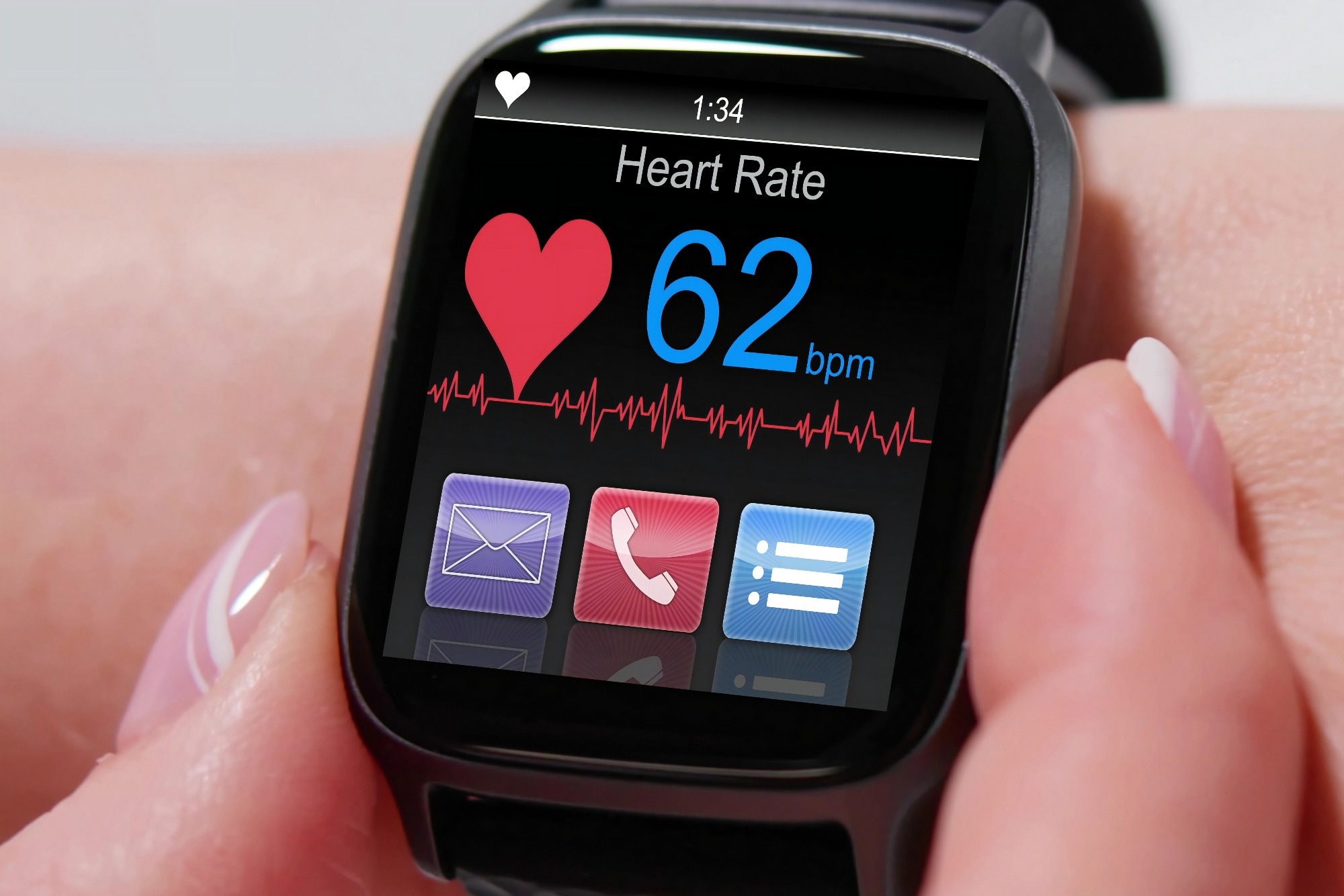
The landscape of clinical trials is undergoing a significant transformation with the integration of wearable sensors. These devices, which include smartwatches, fitness trackers, and other health-monitoring gadgets, provide continuous data collection, offering a more comprehensive view of a patient’s health. As the healthcare sector seeks more efficient and effective ways to conduct clinical trials, wearable sensors are emerging as a pivotal tool. They not only enhance the quality and quantity of data collected but also improve patient compliance and engagement, ultimately leading to more accurate and reliable trial outcomes.
The Benefits of Wearable Sensors in Clinical Trials
Wearable sensors are revolutionizing clinical trials by providing a range of benefits that traditional methods cannot match. Here are some of the key advantages:
- Continuous Monitoring: Wearables allow for real-time data collection, offering a continuous stream of health metrics that can be pivotal in understanding patient conditions and treatment effects.
- Improved Patient Compliance: With user-friendly interfaces, wearable sensors enhance patient compliance by reducing the burden of manual data entry and frequent clinic visits.
- Enhanced Data Accuracy: By minimizing human error associated with manual data collection, wearables provide more accurate and reliable data.
- Remote Patient Monitoring: These devices enable remote monitoring, allowing trials to reach a broader and more diverse patient population, which is essential for comprehensive trial results.
For more insights on how wearable sensors are transforming clinical trials, discover expert strategies here.
Applications of Wearable Sensors in Clinical Trials
Patient Monitoring and Data Collection
Wearable sensors provide a non-invasive means to monitor various health parameters such as heart rate, sleep patterns, and activity levels. This continuous data collection allows researchers to gain a deeper understanding of how treatments affect patients’ daily lives. By using wearables, researchers can obtain real-time insights without disrupting the patients’ routine, leading to more naturalistic data.
Enhancing Patient Engagement and Retention
One of the significant challenges in clinical trials is maintaining patient engagement and retention. Wearable sensors help address this by providing patients with tangible feedback on their health status, which can be motivating. Furthermore, the convenience of wearables can reduce the dropout rates, thereby improving the validity and reliability of the trial outcomes. Find out more about this approach to enhance patient engagement in clinical trials.
Challenges and Considerations
While wearable sensors offer numerous benefits, there are challenges and considerations that must be addressed:
- Data Security and Privacy: Ensuring the security and privacy of patient data is paramount. Robust systems must be in place to protect sensitive information collected by wearables.
- Integration with Existing Systems: Seamless integration with current clinical trial platforms and electronic health records is essential for maximizing the utility of wearable data.
- Regulatory Compliance: Navigating the regulatory landscape is crucial, as the use of wearables in clinical trials must comply with local and international guidelines.
To effectively address these challenges, it is vital to work with experienced professionals. Learn about our tailored solutions for overcoming these hurdles.
Future Prospects
The future of clinical trials with wearable sensors looks promising. As technology continues to advance, these devices will become even more sophisticated, offering more detailed and accurate data. Researchers and healthcare professionals are optimistic about the potential for wearables to bring about a paradigm shift in how clinical trials are conducted, making them more efficient, inclusive, and effective.
For advanced guides and tips on integrating wearable sensors into clinical trials, explore advanced guides and tips.
In conclusion, the role of wearable sensors in improving clinical trials is undeniable. By offering continuous, accurate, and comprehensive data collection, they are set to redefine the clinical trial landscape, ultimately leading to better healthcare outcomes.