Expert Planting Guide for Beginners
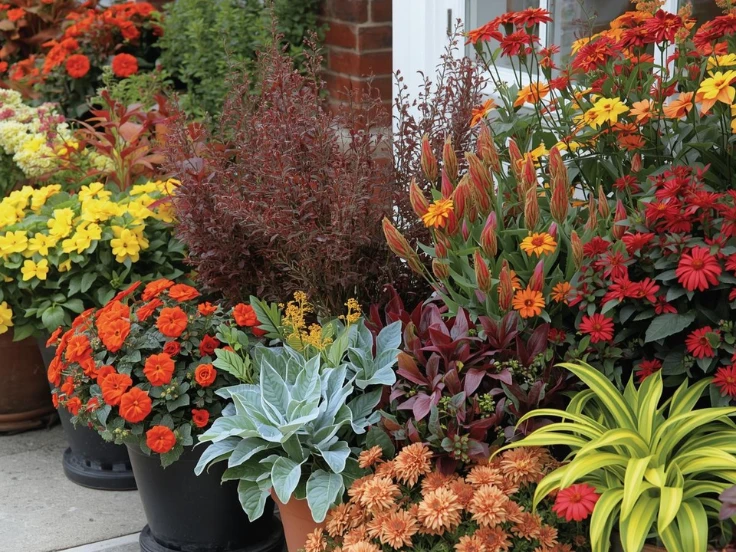
Embarking on the journey of gardening can be thrilling yet daunting for beginners. The prospect of nurturing a plant from a tiny seedling into a flourishing masterpiece is gratifying, but the path to achieving it requires a blend of knowledge, patience, and skill. For those just starting, understanding the basics of plant care, soil preparation, and the right planting techniques is crucial. This guide aims to simplify these concepts, offering expert insights and practical tips to help beginners cultivate their green thumb with confidence.
Understanding Your Environment
Before planting, it is essential to assess the environment where your plants will grow. This understanding will guide your choice of plants and the care they require.
- Climate: Knowing whether you are in a tropical, temperate, or arid zone will help you select appropriate plants. Explore advanced guides and tips on choosing plants suited to your climate.
- Sunlight: Determine how much sunlight your garden or indoor space receives daily. Some plants thrive in full sun, while others prefer shade.
- Space: Consider the space available for planting. Small balconies might be suited to container gardening, while larger areas can accommodate a full garden bed.
Choosing the Right Plants
Selecting the right plants is crucial for a successful gardening experience. Here are some tips to help you choose wisely:
- Beginner-Friendly Plants: Start with plants that are easy to grow and maintain, such as herbs, succulents, or hardy perennials.
- Native Plants: Opt for native species that are naturally adapted to your local climate and soil conditions. Find out more about this approach.
- Purpose: Decide whether you want ornamental plants, vegetables, or a mix of both, and choose accordingly.
Preparing the Soil
Healthy soil is the foundation of any successful garden. Proper soil preparation helps ensure that plants receive the nutrients they need to thrive.
Testing and Amending Soil
Conduct a soil test to determine the pH and nutrient levels. This information will guide you in amending the soil:
- pH Level: Adjust the soil pH to suit the plants you intend to grow. Most plants prefer a neutral pH, but some require more acidic or alkaline soil.
- Organic Matter: Add compost or well-rotted manure to improve soil structure and fertility.
- Drainage: Ensure the soil has adequate drainage to prevent waterlogging. Consider using raised beds or adding sand to heavy clay soils.
Planting Techniques
Proper planting techniques can significantly impact plant health and growth. Here are key steps to follow:
- Timing: Plant during the appropriate season for each species. Refer to expert strategies here for detailed planting calendars.
- Spacing: Ensure adequate spacing between plants to allow for growth and airflow, which helps prevent disease.
- Depth: Plant seeds and seedlings at the correct depth to facilitate optimal growth. Follow the instructions on seed packets or plant labels.
Watering and Maintenance
Consistent watering and maintenance are critical to sustaining healthy plants. Here are some best practices:
- Watering Schedule: Water plants deeply but less frequently to encourage deep root growth. Adjust the schedule based on weather conditions and plant needs.
- Mulching: Apply mulch around plants to retain moisture, suppress weeds, and regulate soil temperature.
- Pest Control: Monitor plants for signs of pests and diseases. Learn about tailored solutions to address common issues.
Conclusion
Gardening can be a rewarding endeavor, offering not just a beautiful landscape but also the satisfaction of nurturing life. By understanding the environment, choosing the right plants, and applying effective planting techniques, beginners can set the foundation for a thriving garden. For further insights and detailed guides, explore advanced guides and tips available online. With the right approach and resources, anyone can cultivate a flourishing garden that brings joy and tranquility.