Professional Concrete Repair and Waterproofing Solutions
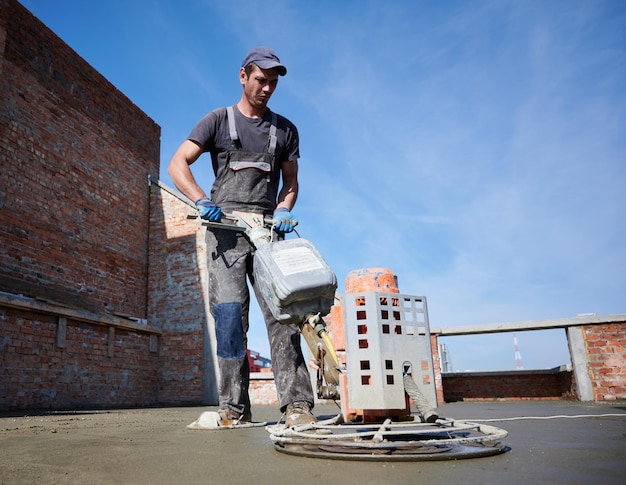
Concrete structures, whether residential or commercial, form the backbone of modern infrastructure. However, over time, these structures can suffer from various issues such as cracks, leaks, and general wear and tear. Addressing these problems promptly is essential to ensure the safety, durability, and longevity of the structure. Professional concrete repair and waterproofing solutions offer comprehensive methods to restore and protect these invaluable assets from further deterioration and environmental impacts.
Understanding Concrete Repair
Concrete repair involves restoring a structure to its original condition by addressing flaws and damage. This process not only prolongs the life of the concrete but also prevents future issues that could lead to more severe structural problems. Key elements of an effective concrete repair strategy include:
Common Concrete Issues
- Cracks: These can occur due to thermal expansion, shrinkage, or external pressure.
- Spalling: This involves the flaking or chipping of the concrete surface, often due to freeze-thaw cycles.
- Discoloration: Stains or color changes can occur due to environmental exposure or chemical reactions.
- Delamination: The separation of surface layers from the underlying concrete.
Repair Techniques
Various techniques are utilized to address the above issues effectively. Techniques include:
- Crack Injection: Used for sealing cracks with epoxy or polyurethane resins.
- Overlay Systems: Application of a new layer to restore the surface.
- Reinforcement: Adding materials like steel bars to strengthen the structure.
- Surface Sealers: Coatings that protect against water and chemical penetration.
Discover expert strategies on concrete repair techniques here.
The Importance of Concrete Waterproofing
Waterproofing is a critical component in protecting concrete from water damage and other environmental factors. This process involves creating an impermeable barrier that prevents water infiltration, thus reducing the risk of structural damage and prolonging the life of the concrete. Here are some reasons why waterproofing is essential:
Benefits of Waterproofing
- Prevents Damage: Protects against water ingress that can lead to corrosion and weakening of the structure.
- Enhances Durability: Increases the lifespan of the concrete by preventing moisture-related issues.
- Reduces Maintenance Costs: Minimizes the need for frequent repairs and upkeep.
- Improves Aesthetic Appeal: Maintains the visual integrity of the structure by preventing stains and surface degradation.
Learn about tailored solutions for waterproofing here.
Advanced Waterproofing Techniques
Modern advancements in waterproofing technology offer a range of solutions tailored to different structural needs. These advanced techniques not only provide superior protection but also ensure compliance with environmental and safety standards. Some of the advanced techniques include:
- Crystalline Waterproofing: Utilizes chemicals that react with moisture to form crystals, filling pores and capillaries.
- Membrane Systems: Application of liquid or sheet membranes that create a watertight barrier.
- Cementitious Coatings: Durable coatings that are particularly effective for areas prone to water exposure.
- Water Repellents: Penetrating sealers that prevent water absorption without altering the appearance of the concrete.
Explore advanced guides and tips for waterproofing concrete structures here.
Conclusion
Concrete repair and waterproofing are indispensable for maintaining the structural integrity and aesthetic appeal of concrete constructions. By employing professional techniques and advanced solutions, these processes ensure the longevity and safety of the structures. Whether dealing with minor cracks or extensive water damage, it is crucial to address these issues promptly with effective strategies. Find out more about this approach here.