The Ultimate Guide to Stainless Steel Ball Valves: Everything You Need to Know
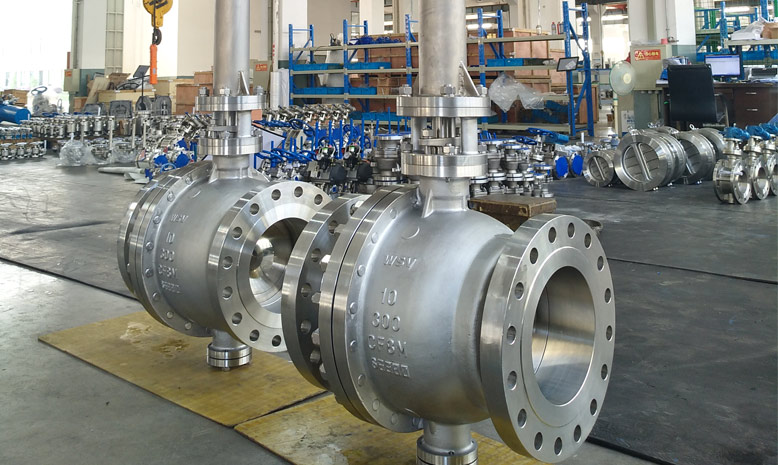
Stainless steel ball valves are an essential component in various industrial applications, providing reliable control over the flow of liquids and gases. Known for their durability, resistance to corrosion, and ability to handle high pressure and temperature, these valves are a preferred choice for many industries, including oil and gas, chemical processing, and water treatment. Understanding the functionality, design, and benefits of stainless steel ball valves can help in selecting the right one for specific applications, ensuring efficiency and safety in operations.
What Are Stainless Steel Ball Valves?
Stainless steel ball valves are a type of quarter-turn valve that use a spherical disc to control the flow of media through it. The ball has a hole, or port, through the middle so that when the port is aligned with both ends of the valve, flow will occur. When the valve is closed, the hole is perpendicular to the ends of the valve, and flow is blocked.
Key Components of Stainless Steel Ball Valves
- Valve Body: The outer casing that houses the internal components.
- Ball: The spherical component with a hole in the middle.
- Stem: The shaft connected to the handle, allowing the ball to rotate.
- Seats: The seal between the ball and the valve body.
- Handle/Actuator: The mechanism used to open or close the valve.
Advantages of Using Stainless Steel Ball Valves
Stainless steel ball valves offer numerous advantages, making them a versatile choice for various applications. Here are some of the key benefits:
- Corrosion Resistance: Stainless steel provides excellent resistance to corrosion, making these valves ideal for corrosive environments.
- Durability: They are known for their long lifespan and ability to withstand high pressure and temperature conditions.
- Low Maintenance: With fewer moving parts, these valves require minimal maintenance.
- Efficiency: They provide a tight seal, ensuring minimal leakage and efficient flow control.
Learn about our tailored solutions for incorporating stainless steel ball valves into your systems to enhance performance and reliability.
Applications of Stainless Steel Ball Valves
These valves are used across a wide range of industries due to their robustness and versatility. Some common applications include:
- Oil and Gas: Used in pipelines and refineries for controlling the flow of oil and gases.
- Chemical Processing: Ideal for handling chemicals and corrosive substances.
- Water Treatment: Employed in systems that require precise control over water flow.
- Food and Beverage: Used in processing plants to maintain hygiene and control over fluid transfer.
For more detailed information on applications, discover expert strategies here that can guide you in selecting the right valve for your needs.
Choosing the Right Stainless Steel Ball Valve
Selecting the appropriate valve involves considering several factors to ensure it meets the specific requirements of an application:
- Pressure and Temperature Requirements: Ensure the valve can withstand the system’s pressure and temperature conditions.
- Size and Port Type: Choose the correct size and type of port (full port or standard port) for the application.
- End Connection Type: Consider the type of connection (threaded, welded, or flanged) that suits the system’s piping.
- Material Compatibility: Ensure the valve’s materials are compatible with the media it will handle.
To make an informed decision, explore advanced guides and tips on selecting stainless steel ball valves tailored to your industry needs.
Maintenance and Troubleshooting
Regular maintenance of stainless steel ball valves ensures longevity and optimal performance. Key maintenance practices include:
- Regular Inspection: Check for signs of wear and tear or corrosion.
- Lubrication: Keep moving parts well-lubricated to prevent seizing.
- Seal Replacement: Replace worn-out seals to maintain a tight seal and prevent leaks.
For troubleshooting issues, find out more about this approach and ensure your valves remain in top working condition.
Understanding the intricacies of stainless steel ball valves can significantly enhance operational efficiency and safety in various industrial applications. With the right knowledge and tools, selecting and maintaining these valves becomes a straightforward process, ensuring long-term reliability and performance.